Personal Dental Care: How Your Dentist Can Help You Customize Your Daily Routine

Personal Dental Care: How Your Dentist Can Help You Customize Your Daily Routine
A healthy smile doesn’t start and end in the dental chair—it begins at home. But how do you know if your daily dental care routine truly fits your needs? Many people assume that brushing twice a day and flossing occasionally is enough, but the truth is that everyone’s teeth, gums, and habits are different. That’s why a personalized approach to dental care can make a real difference. Here’s how your dentist can help you tailor a routine that works specifically for you.
Why One Routine Doesn’t Fit All
No two mouths are exactly alike. Some people have crowded teeth, others are prone to gum inflammation, and some may experience enamel wear or tooth sensitivity. Because of these differences, a one-size-fits-all approach rarely works. Your dentist can assess your oral health and recommend the tools and techniques that best suit your situation.
For example, if you have sensitive teeth, your dentist might suggest a soft-bristled toothbrush and a toothpaste designed for sensitivity. If you’re concerned about staining from coffee or wine, they may recommend whitening options or specific cleaning methods. The goal is to find the right balance between effective cleaning and gentle care.
The Dentist’s Role in Your Daily Routine
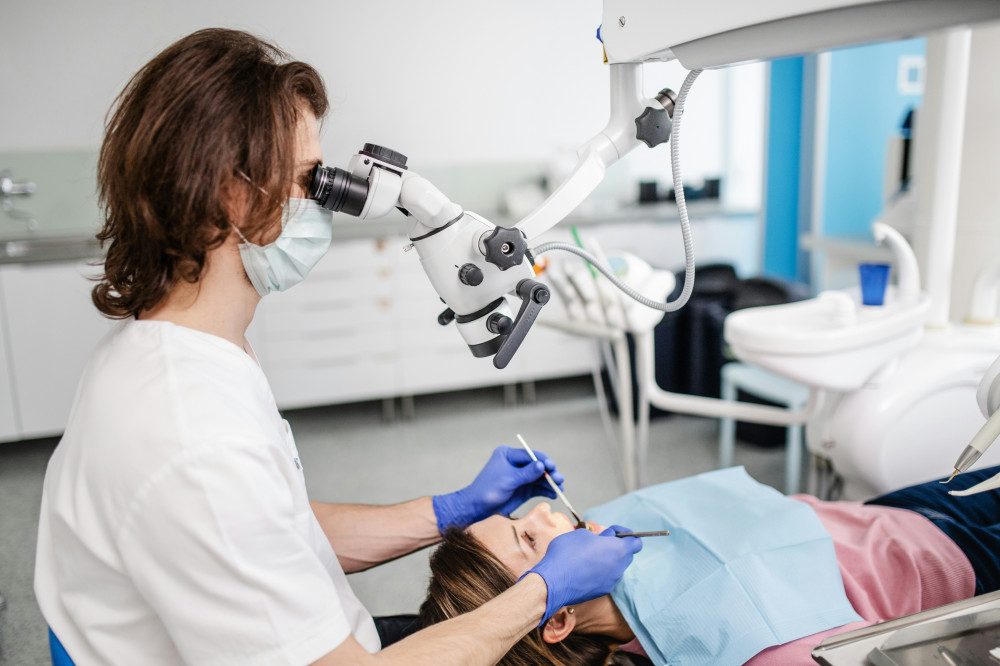
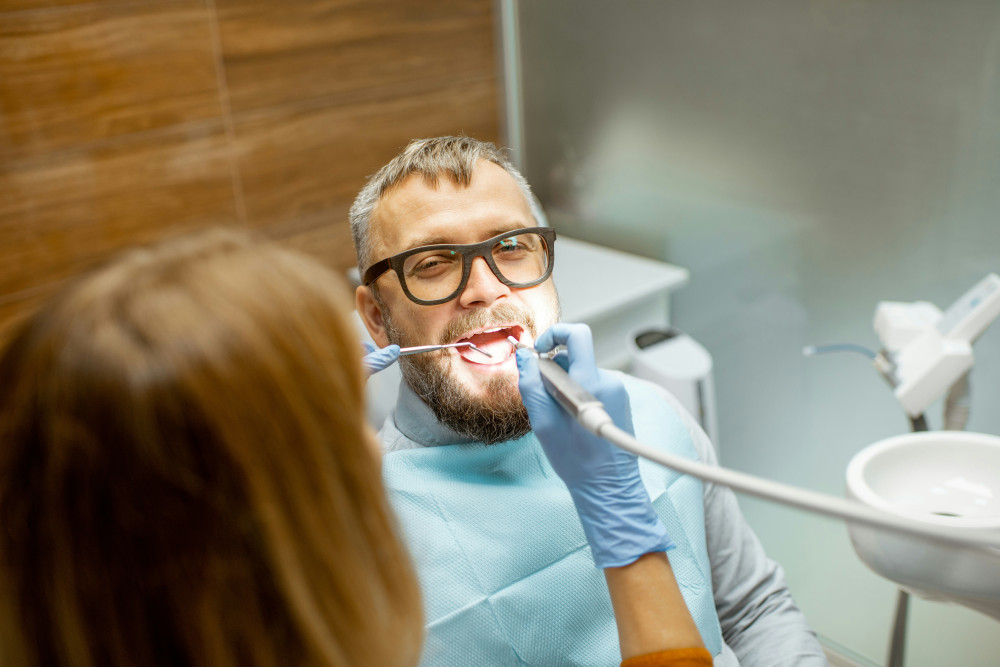
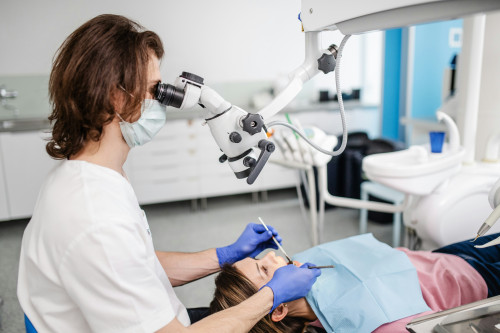
A dental checkup isn’t just about finding cavities—it’s also an opportunity to get professional guidance on how to care for your teeth every day. Your dentist or dental hygienist can:
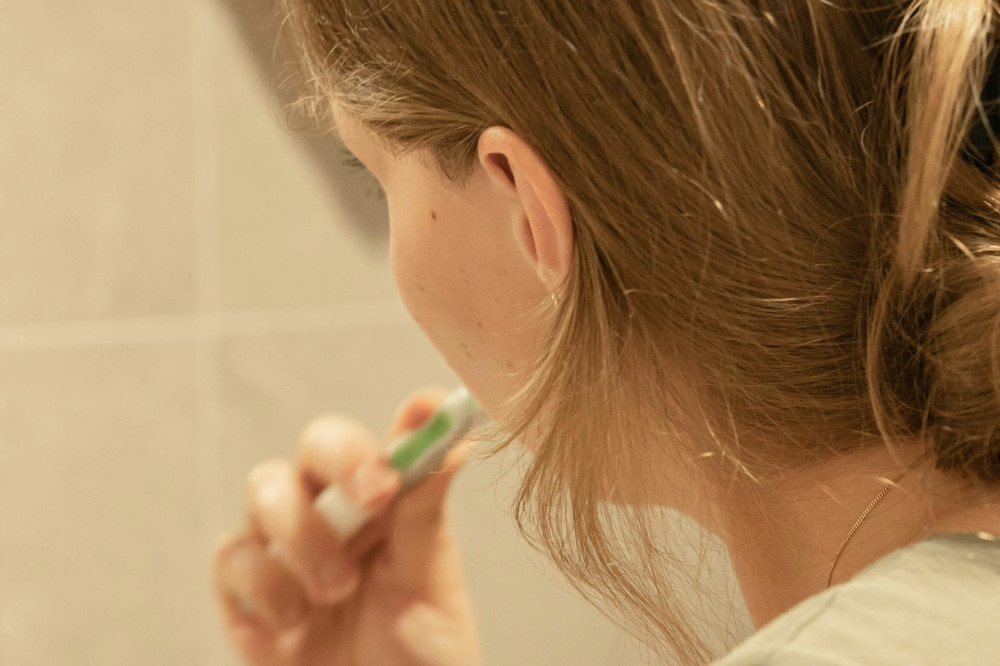
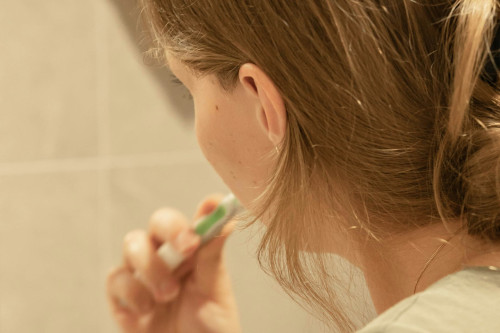
- Evaluate your brushing technique and show you how to improve it.
- Recommend the right products, such as toothpaste with the proper fluoride level or a toothbrush that fits your mouth comfortably.
- Suggest helpful tools like interdental brushes, floss threaders, or mouth rinses.
- Spot early signs of problems, allowing you to adjust your routine before issues develop.
By focusing on your individual habits and challenges, your dentist can help you create a routine that’s both practical and effective.
Small Changes, Big Results
Improving your oral health doesn’t always require major changes. Sometimes, small adjustments can make a big difference, such as:
- Brushing for two full minutes instead of one.
- Replacing your toothbrush or brush head every three months.
- Flossing before brushing to remove more plaque.
- Rinsing with water instead of brushing immediately after acidic drinks.
These simple tweaks can have a lasting impact—especially when they’re tailored to your specific needs.
The Role of Diet in Oral Health
Your dentist can also help you understand how your diet affects your teeth. Sugary foods, acidic beverages, and frequent snacking can increase the risk of cavities and enamel erosion. By reviewing your eating habits, your dentist can offer practical advice on how to protect your enamel and maintain a healthy pH balance in your mouth.
It’s not about cutting out all treats—it’s about finding a rhythm that allows your teeth to recover between meals and snacks.
When Technology Supports Your Smile
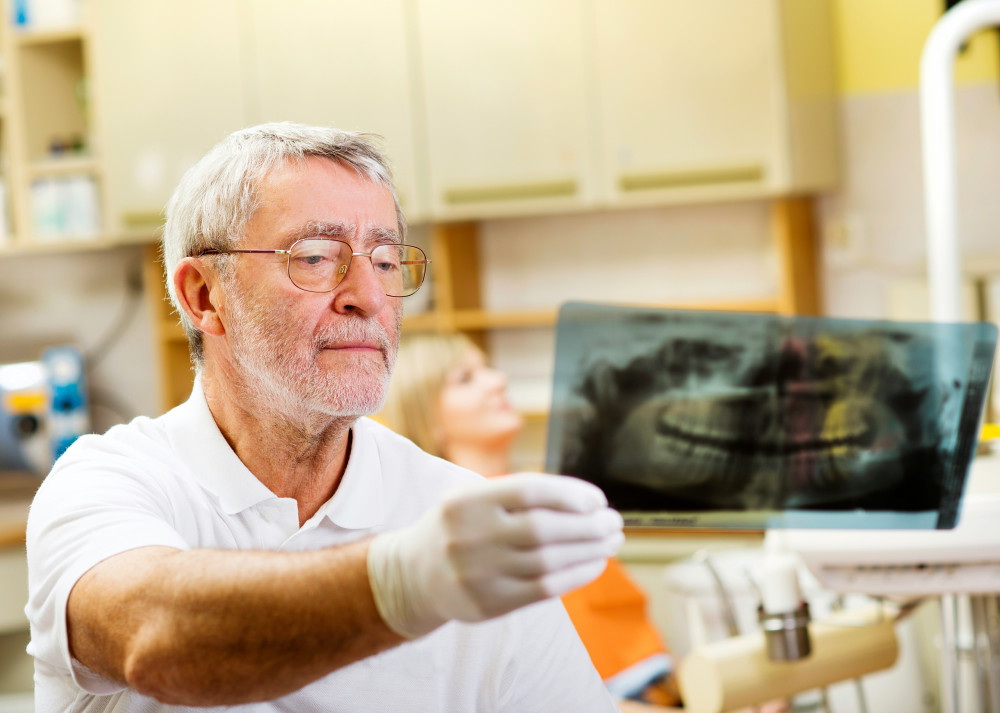
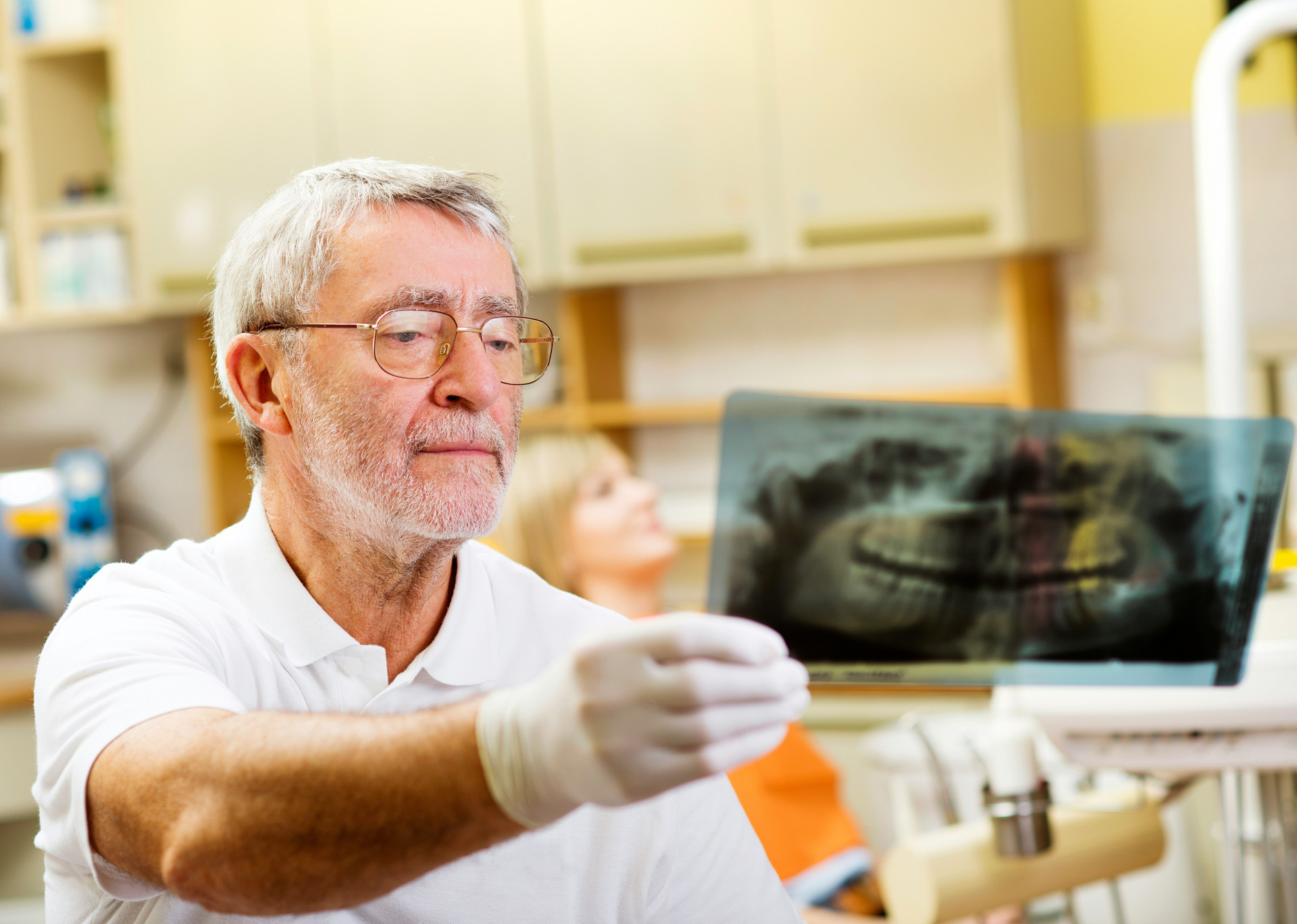
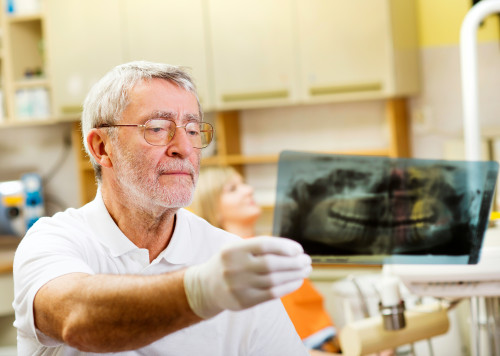
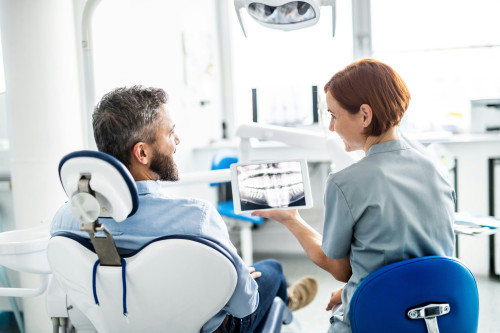
Modern dental care is increasingly supported by technology. Electric toothbrushes with pressure sensors, smartphone apps that track your brushing habits, and digital scans of your teeth make it easier than ever to monitor your oral health. Many dental offices now use digital imaging to show you exactly where to focus your cleaning efforts—a visual guide that helps you understand and improve your habits.
Læs også:
An Investment in Your Future Smile
Customizing your dental care routine isn’t just a luxury—it’s an investment in your long-term health. Regular dental visits combined with a personalized home routine can prevent cavities, gum disease, and costly treatments down the road.
A healthy smile is about more than appearance—it’s about comfort, confidence, and overall well-being. With the right guidance from your dentist, you can make sure your daily efforts truly pay off and keep your smile strong and bright for years to come.
Læs også: