Find the Right Toothbrush for Your Needs

Find the Right Toothbrush for Your Needs
A toothbrush is one of the simplest tools we use every day—but also one of the most important for our health. The right toothbrush can make a big difference in how effectively you remove plaque, protect your gums, and maintain a healthy smile. With so many options on the market—from manual to electric, soft to firm bristles—it can be hard to know which one is best for you. Here’s a guide to help you find the toothbrush that fits your needs.
Manual or Electric – Which Should You Choose?
The choice between a manual and an electric toothbrush depends on your habits, preferences, and any dental concerns you may have.
- Manual toothbrush: The classic option that still works well if you have good brushing technique. It’s inexpensive, easy to travel with, and doesn’t require charging. The downside is that it takes more effort and precision to get the best results.
- Electric toothbrush: A popular choice because it does much of the work for you. The rotating or sonic movements remove plaque more effectively, especially along the gumline. It’s a great option for people with limited hand mobility or those who tend to brush too hard.
Many dentists in the U.S. recommend electric toothbrushes because they help ensure a more consistent and gentle clean—but the most important thing is to brush thoroughly and regularly.
Læs også:


Bristle Hardness – Soft, Medium, or Hard?
The hardness of the bristles affects how the toothbrush treats your teeth and gums.
- Soft bristles are the best choice for most people. They’re gentle on the gums and effectively remove plaque without wearing down enamel.
- Medium bristles can be used by people with healthy gums, but they require a light touch to avoid irritation or gum recession.
- Hard bristles are generally not recommended, as they can cause enamel erosion and gum damage over time.
If you have sensitive teeth, gum problems, or bleeding, always choose a soft-bristled brush and talk to your dentist about the best option for you.
Toothbrush Head and Shape
A smaller brush head makes it easier to reach all areas of your mouth—especially the back molars. A brush that’s too large can make it difficult to clean every surface, leaving plaque behind.
Brush heads come in different shapes—some are oval, others more rectangular. The key is to find one that allows you to maneuver comfortably and reach every area without strain.
An ergonomic handle with a non-slip grip can also make brushing more comfortable and effective.
When to Replace Your Toothbrush
Even the best toothbrush loses its effectiveness over time. The bristles wear out, bend, and remove less plaque. As a rule of thumb, replace your toothbrush—or the brush head if you use an electric one—every three months. You should also replace it sooner if the bristles start to fray or if you’ve been sick, to prevent bacteria buildup.
Special Toothbrushes for Special Needs
There are toothbrushes designed for specific needs:
- Children’s toothbrushes have smaller heads and softer bristles to fit small mouths and protect delicate gums.
- Orthodontic toothbrushes often have V-shaped bristles that make it easier to clean around braces and wires.
- Interdental brushes and floss are great additions for cleaning between teeth where a regular brush can’t reach.
If you have dental implants, bridges, or gum issues, your dentist can recommend special brushes or techniques tailored to your situation.
How to Get the Most Out of Your Toothbrush
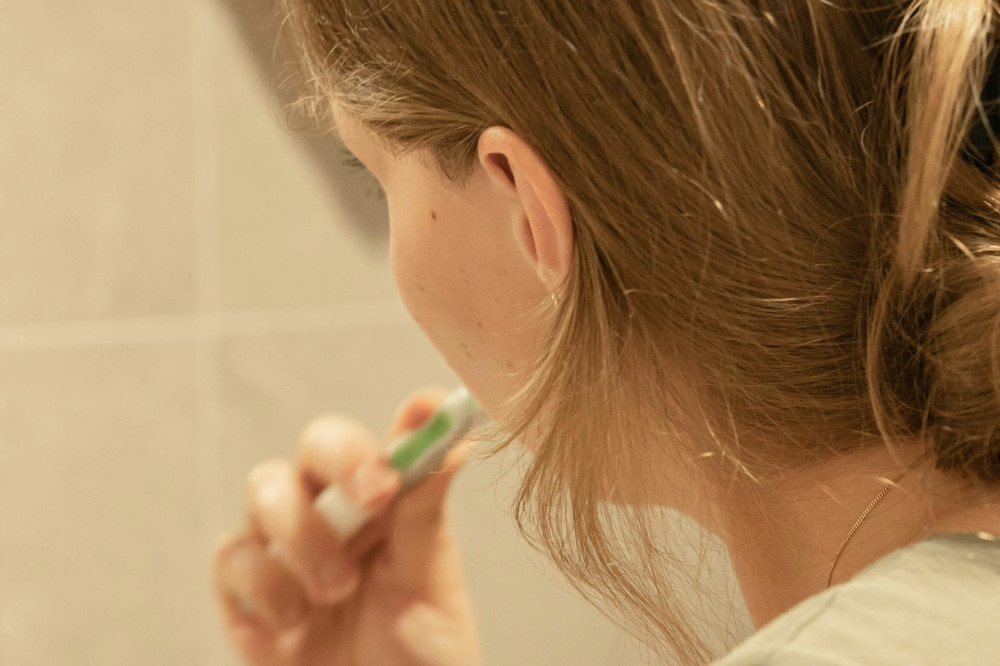
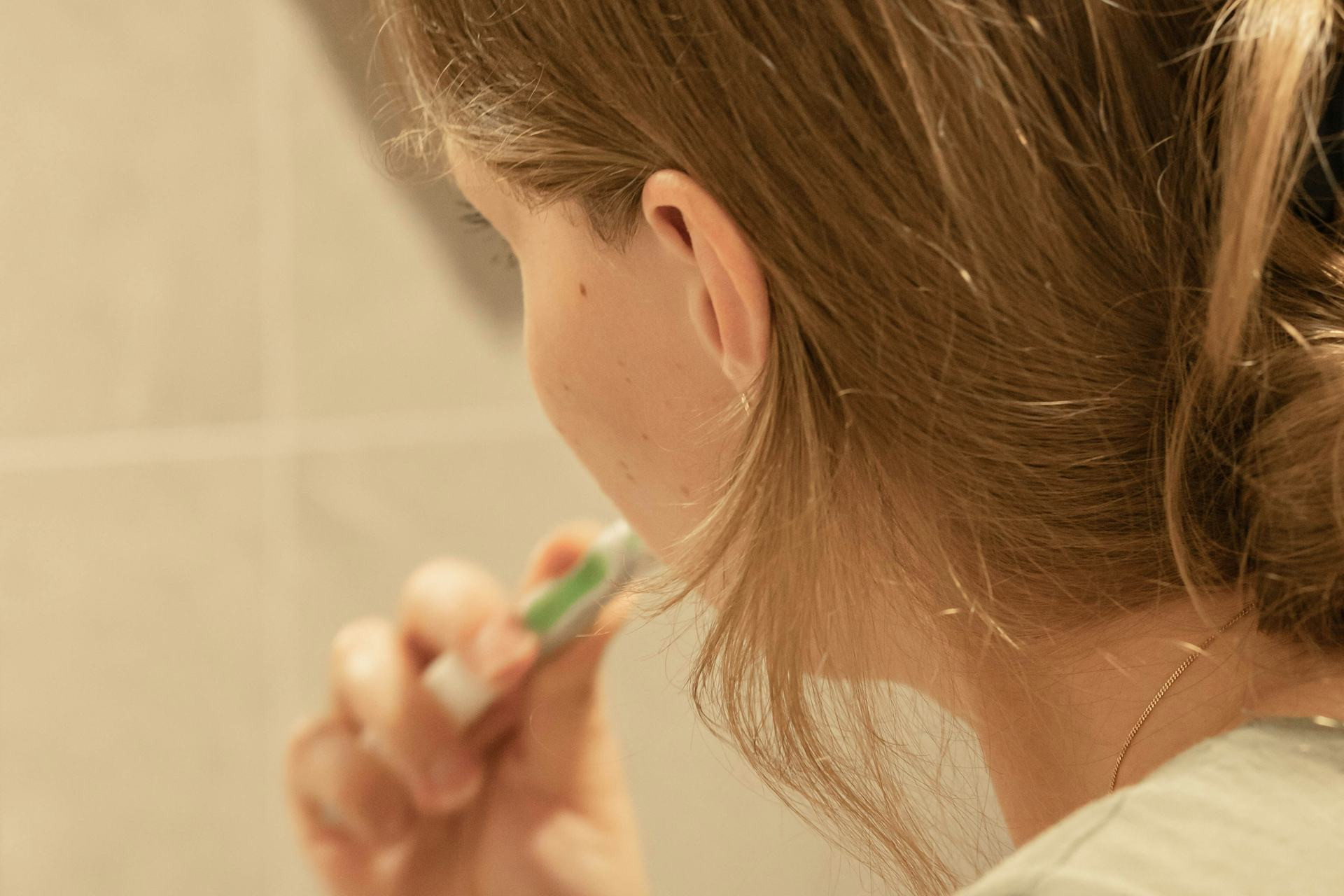
No matter which toothbrush you choose, technique is key. Brush twice a day for at least two minutes using small, circular motions. Avoid pressing too hard—it can do more harm than good. Use a fluoride toothpaste, and finish with floss or interdental brushes to remove plaque between teeth.
A good toothbrush is a simple but powerful tool for maintaining a healthy smile. By choosing the right type and using it properly, you can help prevent cavities, gum disease, and bad breath—and keep your mouth healthy for years to come.
Læs også: