Goodbye to Tartar: How Prevention Is Linked to Oral Health and Well-Being

Discover how simple daily habits can prevent tartar and boost your overall well-being
Teeth
Teeth
3 min
Tartar buildup can do more than dull your smile—it can affect your health. Learn how prevention, from good oral hygiene to regular dental visits, helps protect your teeth, gums, and general wellness.
Thomas González
Thomas
González

Goodbye to Tartar: How Prevention Is Linked to Oral Health and Well-Being

Discover how simple daily habits can prevent tartar and boost your overall well-being
Teeth
Teeth
3 min
Tartar buildup can do more than dull your smile—it can affect your health. Learn how prevention, from good oral hygiene to regular dental visits, helps protect your teeth, gums, and general wellness.
Thomas González
Thomas
González

A healthy smile is about more than looks—it’s a key part of your overall well-being. Tartar, the hardened buildup that forms on teeth, might seem harmless, but it plays a major role in gum disease and other oral health issues. The good news? With a few simple habits and some awareness, you can prevent tartar and support both your oral health and your general wellness.

What Is Tartar—and Why Does It Form?

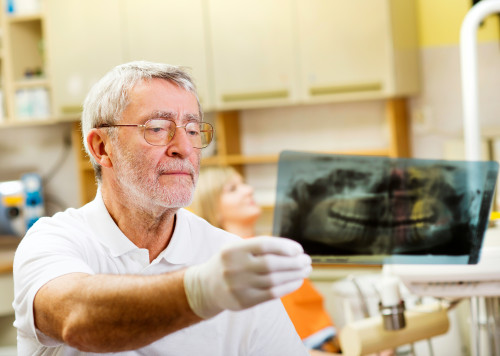
Tartar develops when dental plaque, a sticky film of bacteria, food particles, and saliva, hardens on the teeth. This usually happens when plaque isn’t removed regularly through brushing and flossing. Once it mineralizes, it becomes tartar (also called calculus), which can’t be brushed away and must be removed by a dental professional.

Tartar tends to form along the gumline and behind the lower front teeth, where saliva contains more minerals. Because it provides a rough surface for more bacteria to cling to, tartar buildup can lead to gum inflammation, bad breath, and even tooth loss if left untreated. That’s why prevention is essential.

Daily Prevention—Small Habits, Big Results

Preventing tartar starts with consistent oral hygiene. Here are the most effective steps:

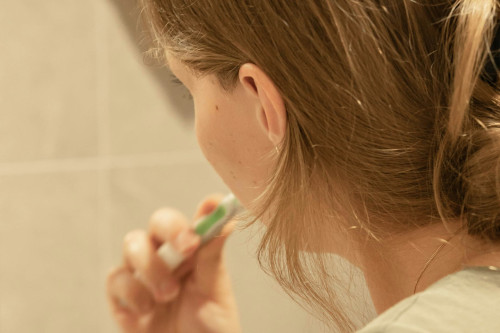
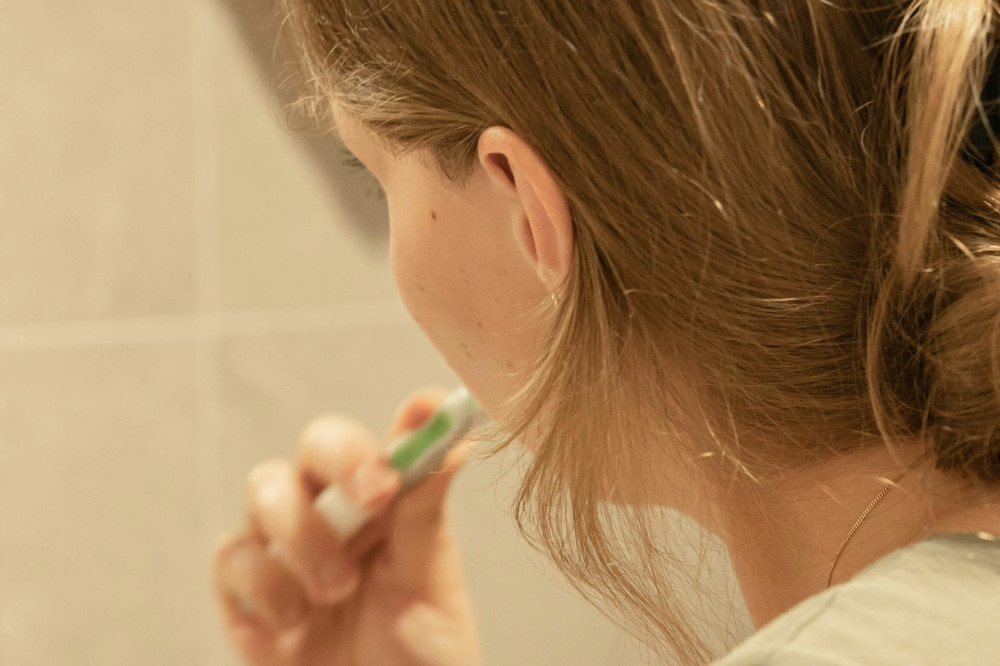
  • Brush twice a day with fluoride toothpaste. Use gentle, circular motions and make sure to reach every surface of each tooth.
  • Floss daily to remove plaque and food particles between teeth where your toothbrush can’t reach.
  • Rinse with water after meals, especially if you can’t brush right away.
  • Limit sugary and acidic foods and drinks, which create an environment where bacteria thrive.
  • Drink plenty of water—it helps wash away debris and neutralize acids in your mouth.

These simple habits can make a big difference in how much tartar forms over time.

Professional Cleanings—An Essential Part of Prevention

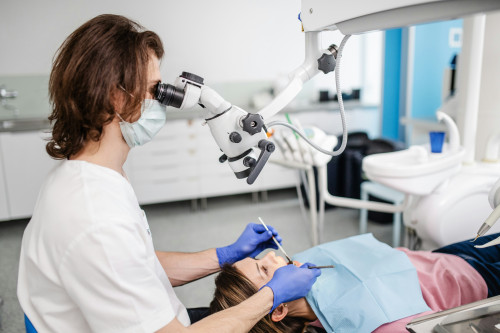
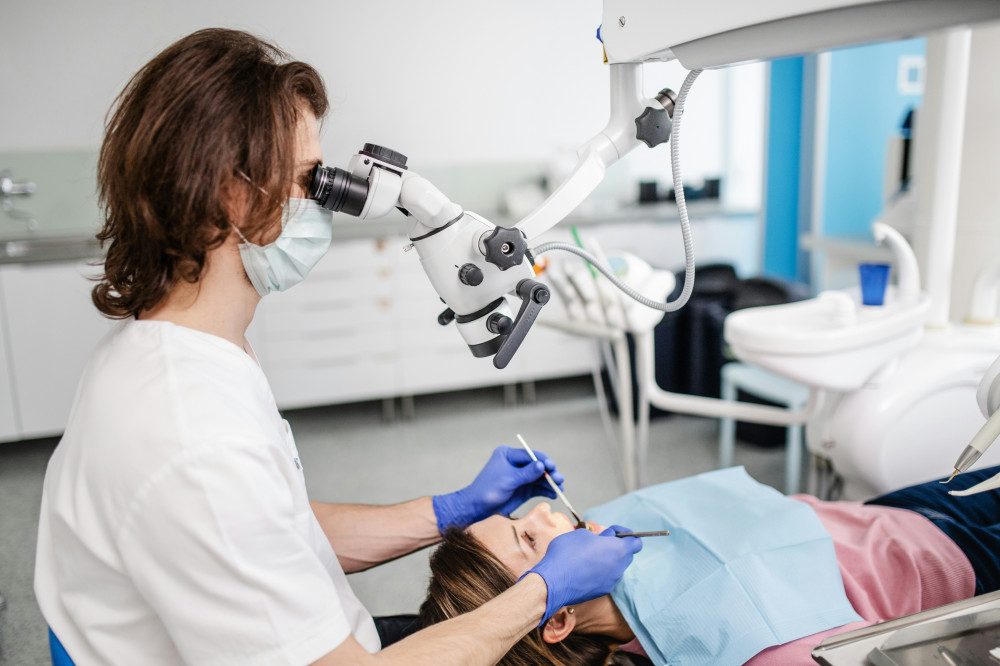
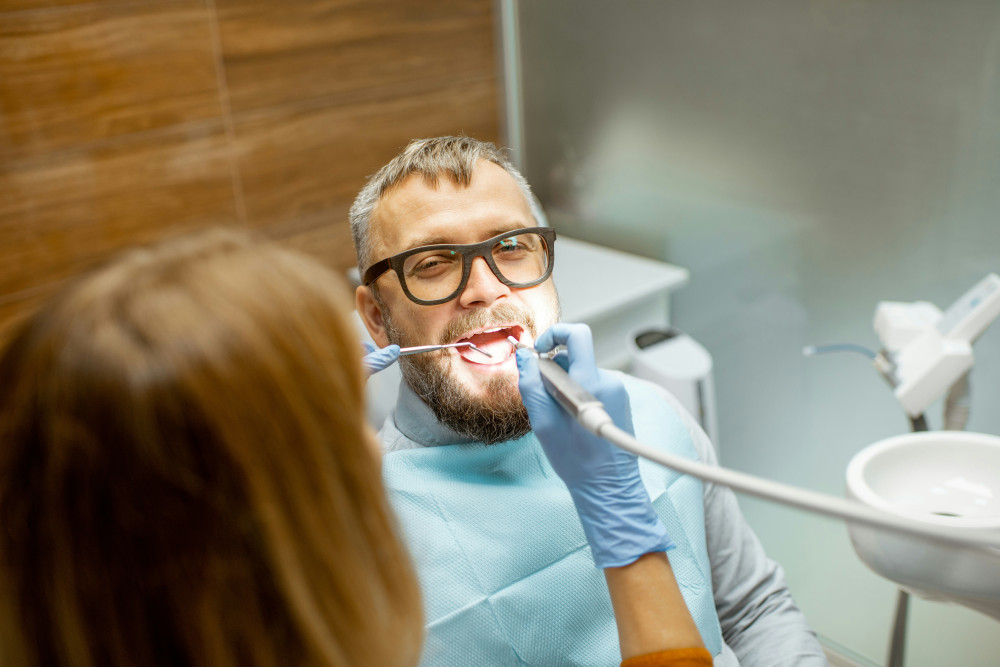
Even with excellent home care, some tartar will eventually form. That’s why regular professional cleanings are so important. During a cleaning, your dental hygienist removes tartar and surface stains and checks for early signs of gum disease or other issues.

How often you need a cleaning depends on your individual oral health. Many people benefit from a cleaning every six months, but some may need more frequent visits. Your dentist can recommend the right schedule for you.

The Link Between Oral Health and Overall Well-Being

A healthy mouth affects more than just your smile. Research has shown connections between poor oral hygiene and conditions such as heart disease, diabetes, and chronic inflammation. On the other hand, maintaining good oral health can boost your confidence, comfort, and quality of life.

Regular dental care also fosters a sense of self-care and control—small daily actions that contribute to your overall well-being.

Good Habits Start Early

Preventing tartar and maintaining good oral hygiene should begin in childhood. Kids who learn to brush and floss properly are more likely to keep their teeth healthy as adults. Parents play a key role by helping children brush and by making dental care a positive, consistent part of daily routines.

A Healthy Smile—A Reflection of Your Lifestyle

Tartar isn’t inevitable. With attention, good habits, and regular dental visits, you can keep your mouth healthy and prevent problems before they start. A clean, bright smile isn’t just a sign of good dental care—it’s a reflection of a lifestyle that values health, confidence, and well-being.

Personal Dental Care: How Your Dentist Can Help You Customize Your Daily Routine
Discover how a personalized dental care plan can transform your daily routine and long-term oral health
Teeth
Teeth
Dental Care
Oral Health
Dentist Advice
Personal Hygiene
Healthy Habits
3 min
Your smile is unique—your dental care should be too. Learn how your dentist can help you design a daily routine tailored to your specific needs, habits, and goals for a healthier, brighter smile.
Ariana Green
Ariana
Green
Dental Checkups and Life Changes – When Should You Visit the Dentist More Often?
Life’s changes can affect your oral health—learn when it’s time to see your dentist more often.
Teeth
Teeth
Dental Health
Oral Care
Preventive Dentistry
Healthy Lifestyle
Aging
4 min
Regular dental visits are key to a healthy smile, but certain stages of life may call for extra attention. Discover how factors like hormones, health conditions, medications, and aging can influence your dental needs and when to schedule more frequent checkups.
Kate Gonzalez
Kate
Gonzalez
Find the Right Toothbrush for Your Needs
Discover how to choose the toothbrush that keeps your teeth and gums healthy
Teeth
Teeth
Oral Health
Dental Care
Toothbrush
Personal Hygiene
Healthy Habits
7 min
Not all toothbrushes are created equal. Learn what to look for when choosing between manual and electric models, different bristle types, and brush head shapes—so you can find the toothbrush that best suits your oral care needs.
Serenity Diaz
Serenity
Diaz
Goodbye to Tartar: How Prevention Is Linked to Oral Health and Well-Being
Discover how simple daily habits can prevent tartar and boost your overall well-being
Teeth
Teeth
Oral Health
Dental Care
Prevention
Well-Being
Healthy Habits
3 min
Tartar buildup can do more than dull your smile—it can affect your health. Learn how prevention, from good oral hygiene to regular dental visits, helps protect your teeth, gums, and general wellness.
Thomas González
Thomas
González
Natural vs. Conventional Beauty: What Defines Sustainable Personal Care Products?
Discover how natural and conventional beauty products differ—and what truly makes personal care sustainable.
Beauty
Beauty
Sustainable Beauty
Natural Products
Personal Care
Eco-Friendly
Consumer Awareness
2 min
As sustainability becomes a key concern in the beauty industry, consumers are rethinking what’s behind their favorite products. Learn how natural and conventional formulations compare, what certifications really mean, and how to make informed choices for a more responsible beauty routine.
Christian Adams
Christian
Adams
Make Exercise a Pleasure – Not a Chore
Discover how to turn your workouts into moments of joy and self-care
Beauty
Beauty
Fitness
Wellness
Motivation
Healthy Lifestyle
Self-Care
3 min
Exercise doesn’t have to feel like a duty. Learn how to find movement that suits your personality, set achievable goals, and make physical activity a natural, enjoyable part of your daily life.
Ariana Green
Ariana
Green
Maintain Your Skin’s Radiance and Elasticity: Skincare for Mature Skin
Discover how to care for mature skin and keep it glowing, supple, and healthy at every age
Beauty
Beauty
Skincare
Mature Skin
Beauty
Anti-Aging
Skin Health
4 min
Learn how to maintain your skin’s natural radiance and elasticity as it matures. From gentle cleansing and deep hydration to sun protection and nourishing ingredients, this guide helps you support your skin’s evolving needs with confidence and care.
Kate Gonzalez
Kate
Gonzalez