Mindfulness in Times of Change – Finding Inner Calm Amid Uncertainty

Mindfulness in Times of Change – Finding Inner Calm Amid Uncertainty
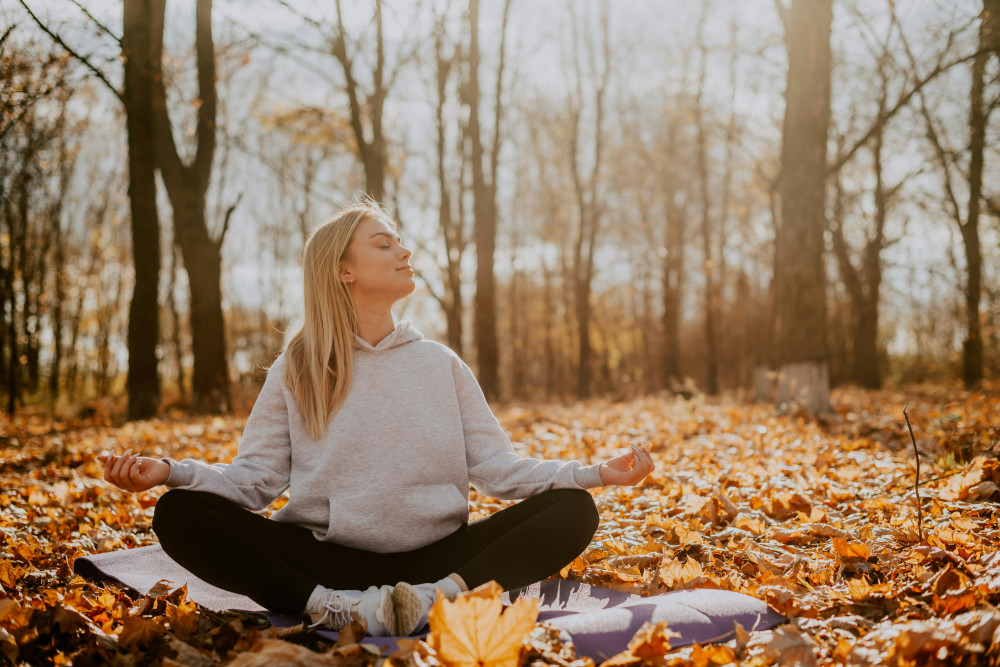
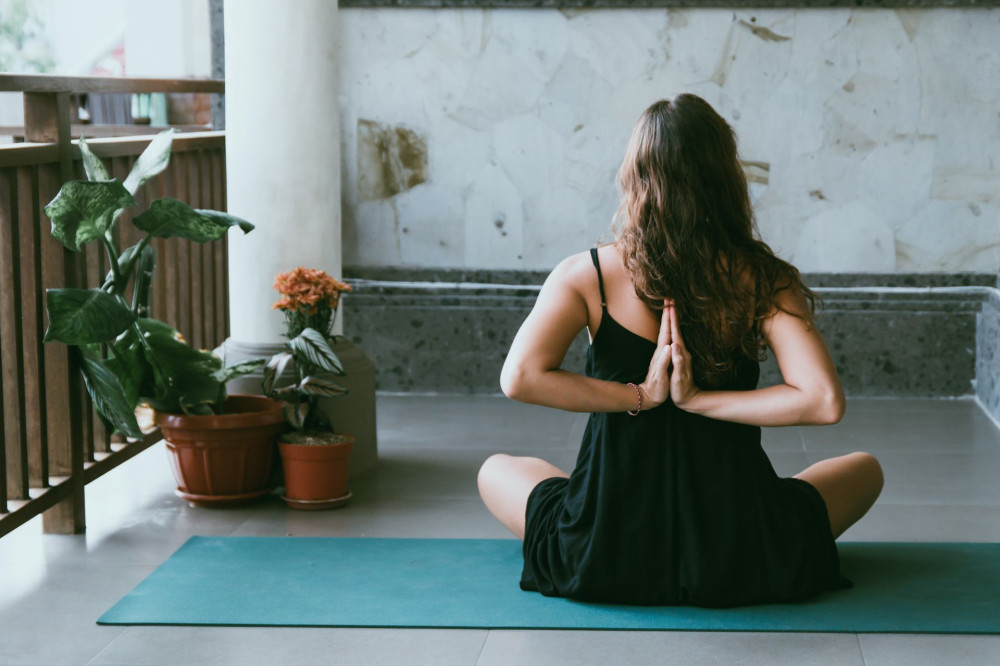
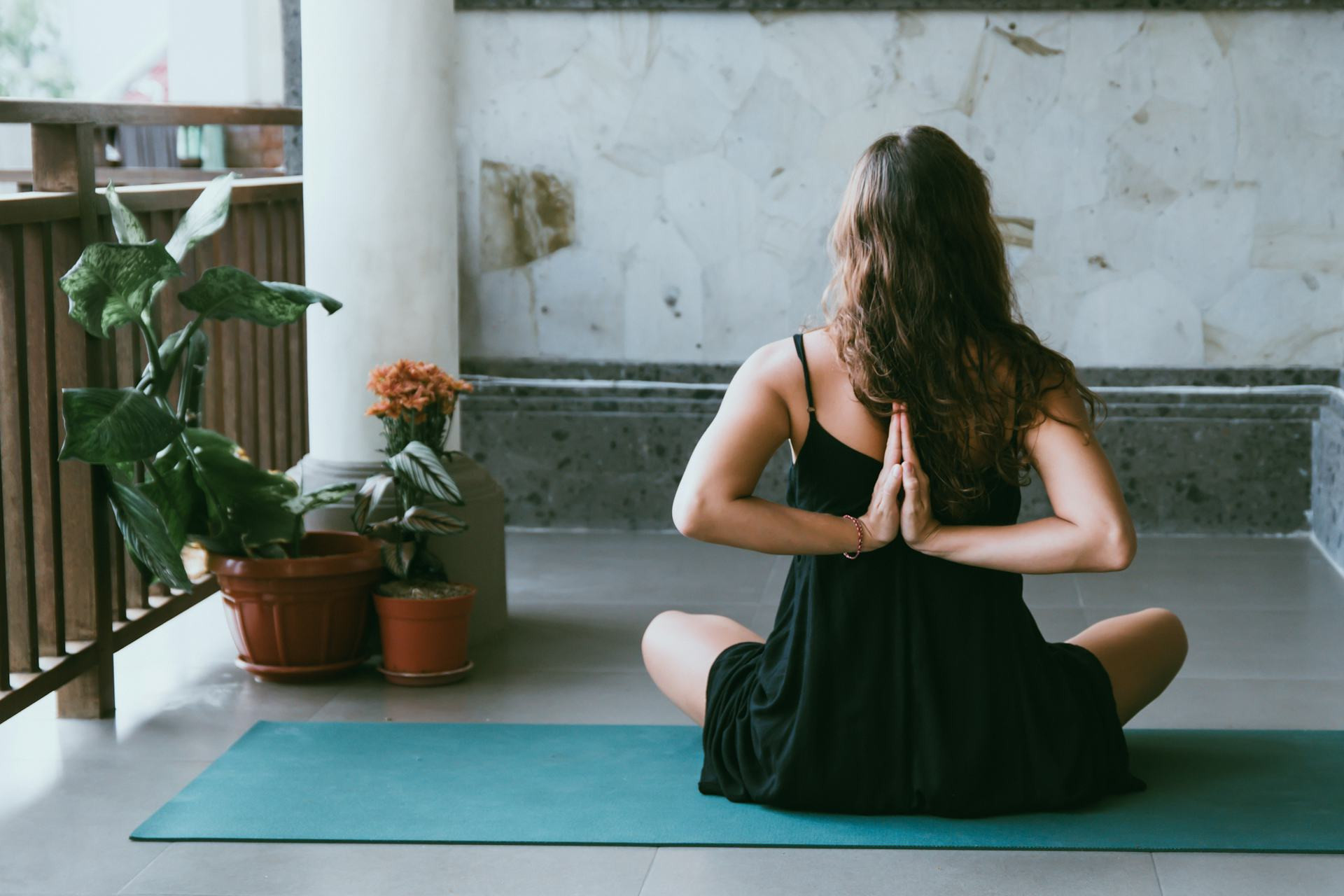
The world is shifting faster than ever. New technologies, social changes, and global challenges can leave us feeling unsettled and uncertain. In a culture that often prizes productivity and constant motion, many Americans are searching for ways to slow down, reconnect, and find peace within. Mindfulness—the practice of being present with openness and acceptance—offers a powerful path toward that inner calm.
Here’s how mindfulness can help you navigate change and how to bring it into your daily life.
What Mindfulness Really Means
Mindfulness isn’t about emptying your mind or escaping reality. It’s about noticing what’s happening—your thoughts, emotions, and sensations—without judgment. It’s a conscious awareness of the present moment, whether you’re sitting quietly, walking outside, or washing the dishes.
When you practice mindfulness, you train your attention to stay grounded in the here and now. Research from institutions like Harvard and UCLA has shown that regular mindfulness practice can reduce stress, improve focus, enhance emotional resilience, and even support better sleep.
The Nature of Change—and Why It Feels Hard
Change is a constant part of life, yet it often triggers discomfort. Our brains are wired to seek stability and predictability. When routines shift or the future feels uncertain, our stress response kicks in.
Mindfulness helps us meet change with steadiness rather than resistance. Instead of fighting what’s happening, we learn to observe our reactions and accept uncertainty as part of being human. This doesn’t mean giving up—it means responding with clarity and calm instead of fear or frustration.
Læs også:


Simple Everyday Practices
You don’t need long meditation sessions to benefit from mindfulness. Small moments of awareness throughout the day can make a real difference.
- Begin your morning with three mindful breaths. Before checking your phone, notice the air moving in and out of your body.
- Do one thing at a time. When you eat, just eat. When you walk, just walk. Pay attention to taste, movement, and sensation.
- Check in with yourself. Ask, “How am I feeling right now?” Observe without judgment.
- End your day with gratitude. Reflect on three things you’re thankful for. This simple habit can shift your perspective and ease your mind.
These small pauses act as anchors in a busy day, reminding you that peace is always accessible in the present moment.
When Life Feels Unsteady
During major transitions—like a career change, illness, loss, or global uncertainty—mindfulness can help you stay centered. It’s not about ignoring difficulties but about meeting them with compassion and awareness.
Mindfulness allows you to notice when you’re caught in worry or self-criticism and to choose a more balanced response. It helps you hold difficult emotions without being overwhelmed by them. Many people describe it as finding a quiet center within the storm.
Making Mindfulness a Habit
Like any skill, mindfulness grows with regular practice. Try setting aside a few minutes each day—perhaps in the morning or during a lunch break. You can use guided meditations, mindfulness apps, or local classes to support your routine. The key is consistency, not perfection.
Over time, mindfulness becomes more than something you “do.” It becomes a way of being—an attitude of calm awareness that stays with you through both peaceful and challenging times.
Inner Calm as a Compass
Ultimately, mindfulness is about living with greater awareness and intention. When you’re present, it’s easier to make choices that align with your values and to find steadiness even when life feels unpredictable.
Change will always be part of the human experience. But with mindfulness, you can learn to stand grounded in yourself—with openness, curiosity, and trust that you can meet whatever comes your way with a calm and steady heart.
Læs også: