Create Personal Routines for Calm and Self-Care

Create Personal Routines for Calm and Self-Care
In a world that moves fast and demands constant attention, it’s easy to forget to slow down. Between work, family, and social commitments, many people only realize they need rest when they’re already exhausted. But calm and self-care don’t have to wait for weekends or vacations — they can become part of your everyday life through personal routines that fit who you are. Here’s how to start.
Why Routines Bring Calm
Routines aren’t about rigid schedules; they’re about creating structure and predictability. When you know what’s coming next, you spend less energy making decisions — and that frees up mental space for calm.
Small, consistent habits can act as anchors in a busy day. Maybe it’s a quiet morning with coffee before checking your phone, or a short walk after work. The key is to choose activities that help you feel grounded and centered.
Start by Checking In with Yourself
Before you change anything, take a moment to notice what you actually need. For some, self-care means more quiet time and rest. For others, it’s about movement, creativity, or connection.
Ask yourself:
- When do I feel most at ease?
- What drains my energy during the day?
- What small actions make me feel good?
Your answers can guide you toward routines that truly support your well-being.
Create Small Moments of Calm
Self-care doesn’t have to be elaborate. In fact, it’s often the small, repeated actions that make the biggest difference. Try weaving some of these ideas into your day:
- Morning ritual: Start your day without screens. Take five minutes to breathe deeply, drink a glass of water, or write down three things you’re looking forward to.
- Midday breaks: Set a reminder to stand up, stretch, or look out the window for a minute.
- Evening wind-down: Dim the lights, put your phone away, and do something that helps you slow down — like reading, journaling, or listening to calming music.
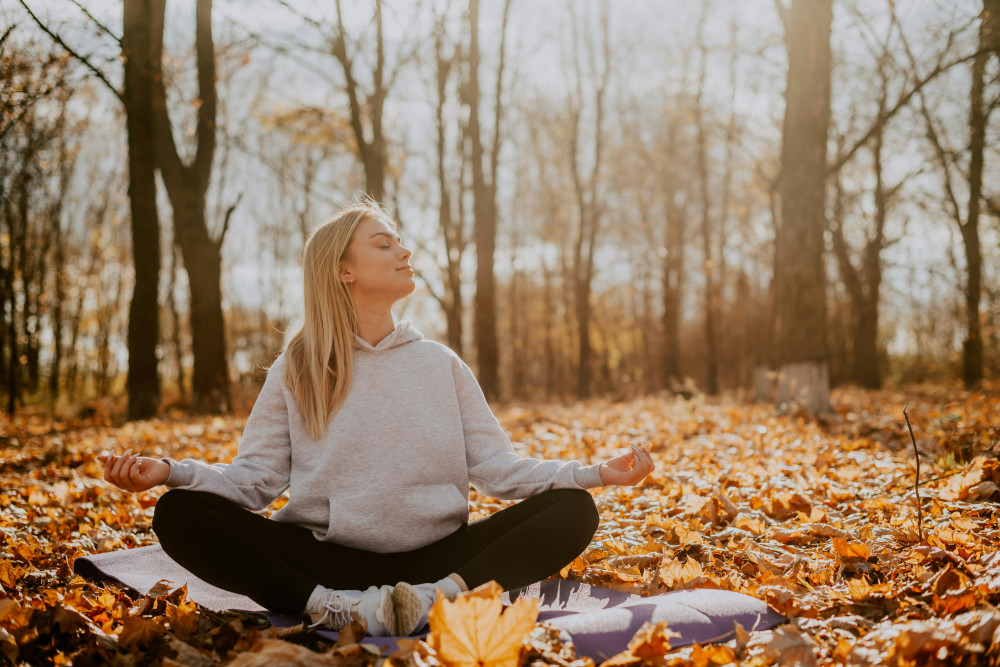
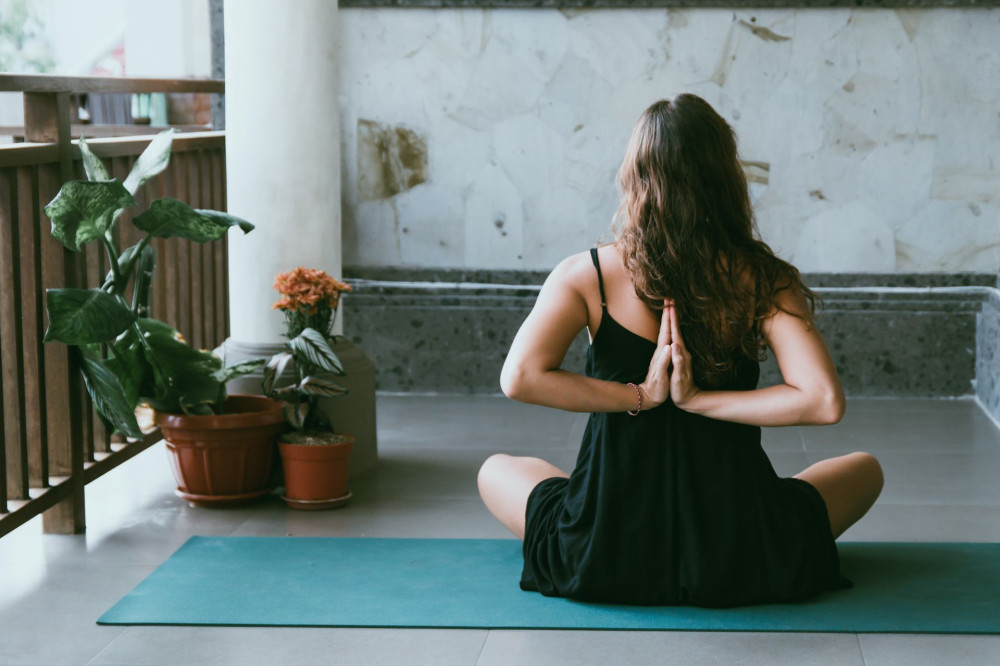
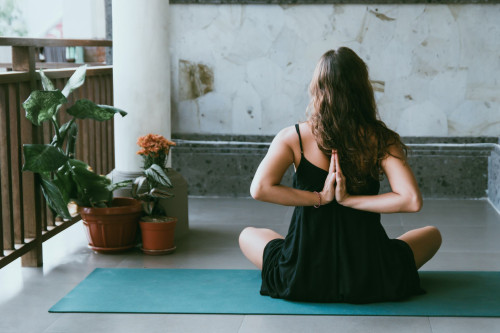
- Movement as self-care: It doesn’t have to be intense exercise. A walk around the block, gentle yoga, or light stretching can ease both body and mind.
The goal is for your routines to feel supportive, not like another obligation.
Læs også:

Listen to Your Body’s Signals
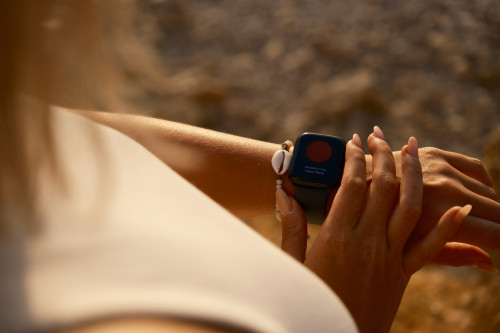
Your body often speaks before your mind catches up. Tension, fatigue, or restlessness can be signs that you need a break. By paying attention to these signals, you can adjust your day before stress takes over.
Notice how you feel in different situations. When does your breathing become shallow? When do your shoulders tighten? These small moments of awareness can help you respond early — choosing rest over burnout.
Make Self-Care Part of Everyday Life
Self-care becomes sustainable when it’s built into your daily rhythm. Try linking new habits to things you already do. For example:
- Drink a glass of water every time you sit down at your desk.
- Take three deep breaths before replying to an email.
- Spend five minutes stretching after you finish work, before starting dinner.
When you repeat small actions consistently, they become second nature — and calm naturally follows.
Allow Yourself to Adjust
No routine is perfect from the start. Some days you’ll have energy; other days you won’t. That’s normal. Self-care isn’t about doing everything right — it’s about being kind to yourself, even when things don’t go as planned.
Give yourself permission to adjust. Maybe your morning routine works better in the evening, or you realize you need more movement than you thought. The most important thing is that your routines support you, not control you.
Calm as an Investment in Yourself
Creating personal routines for calm and self-care isn’t a luxury — it’s an investment in your well-being. When you take time to recharge, you become more focused, resilient, and present in your daily life.
Calm doesn’t just happen; it’s built through intentional choices. By creating small, meaningful routines, you can find balance and energy — not only for yourself, but for the people and activities that matter most.
Læs også: