Gut and Skin Microbiome Through Life – How Age, Environment, and Lifestyle Affect the Balance

Gut and Skin Microbiome Through Life – How Age, Environment, and Lifestyle Affect the Balance
Our bodies are home to trillions of microorganisms—bacteria, fungi, and other microscopic life forms—that together make up what scientists call the microbiome. Two of the most important microbial ecosystems live in the gut and on the skin. They play key roles in digestion, immunity, and skin health. But the composition of these microbial communities changes throughout life and is influenced by age, environment, and lifestyle. Here’s how that balance evolves—and what you can do to support it.
From Birth to Adulthood – The Microbiome’s Development
At birth, a baby’s microbiome is almost a blank slate. The first microbes come from the mother—either through the birth canal or from skin contact after a C-section. Breastfeeding also plays a crucial role, as breast milk contains prebiotics that nourish beneficial gut bacteria.
During childhood, the gut microbiome develops rapidly and becomes more diverse. Diet, surroundings, and antibiotic use all shape this process. The skin microbiome follows a similar path: infants’ skin is delicate and dominated by a few bacterial species, but diversity increases as children crawl, play, and interact with their environment.
In adolescence, hormonal changes alter both gut and skin conditions. Increased oil production creates new habitats for skin bacteria, which helps explain why acne often appears during puberty. At the same time, diet and lifestyle influence the gut microbiome, which in turn can affect skin health through what researchers call the gut-skin axis.
Adulthood – Stability and Sensitivity
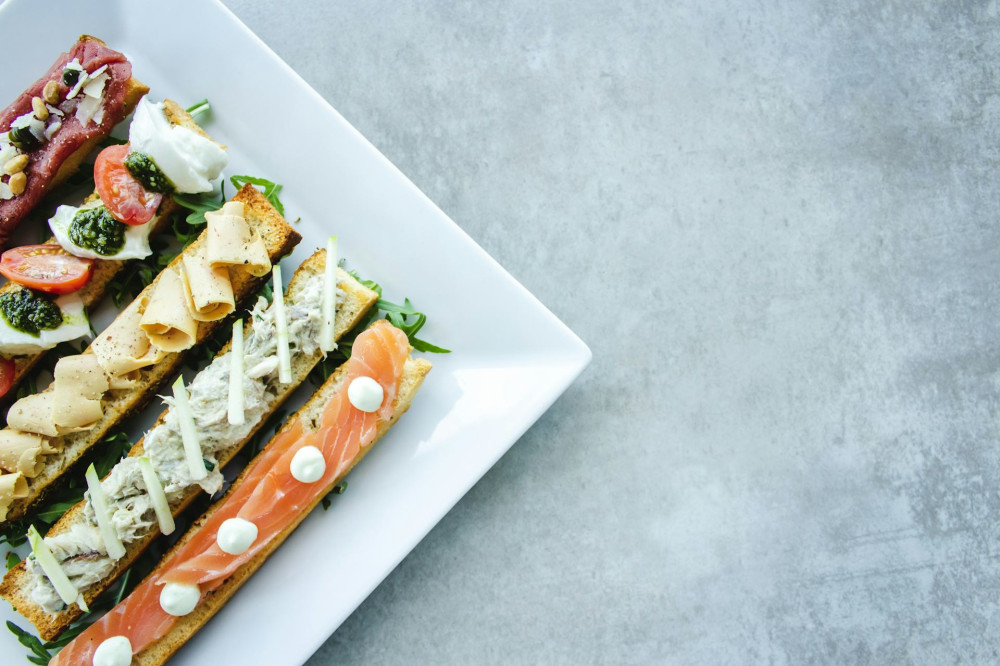
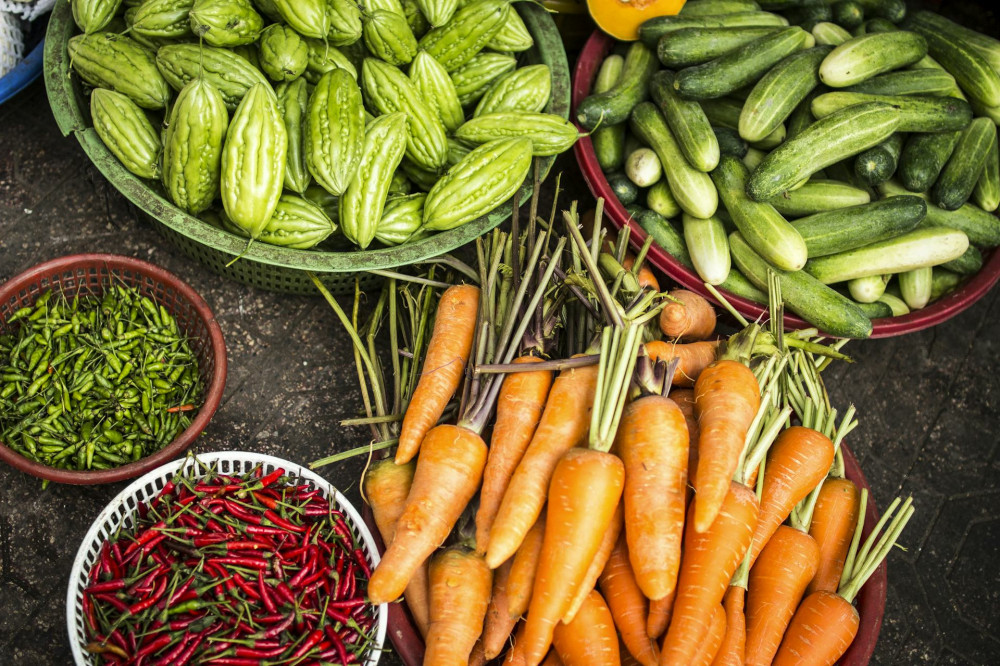
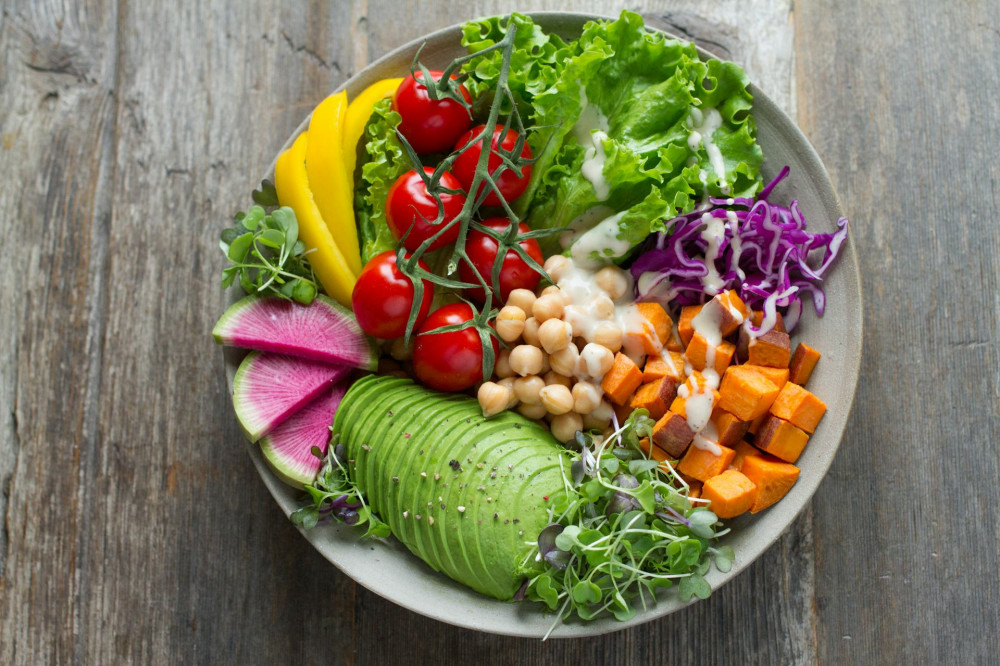
In adults, the microbiome tends to be more stable, but it remains sensitive to change. Diet, stress, sleep, and medications can all shift the balance. A varied diet rich in fiber, vegetables, and fermented foods supports a diverse gut microbiome, while a diet high in sugar and processed foods can reduce microbial diversity.
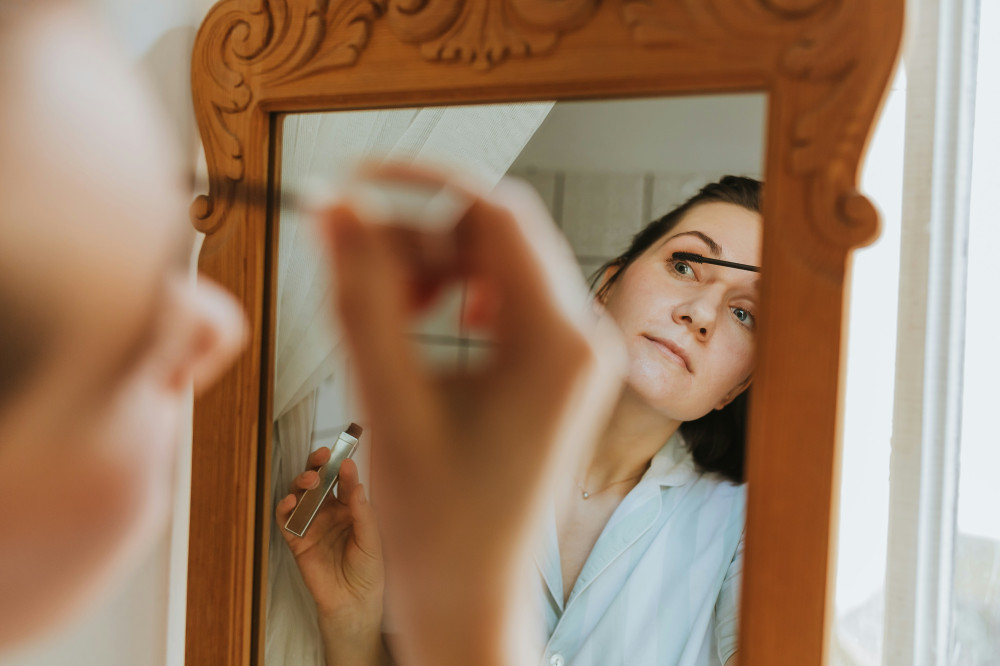
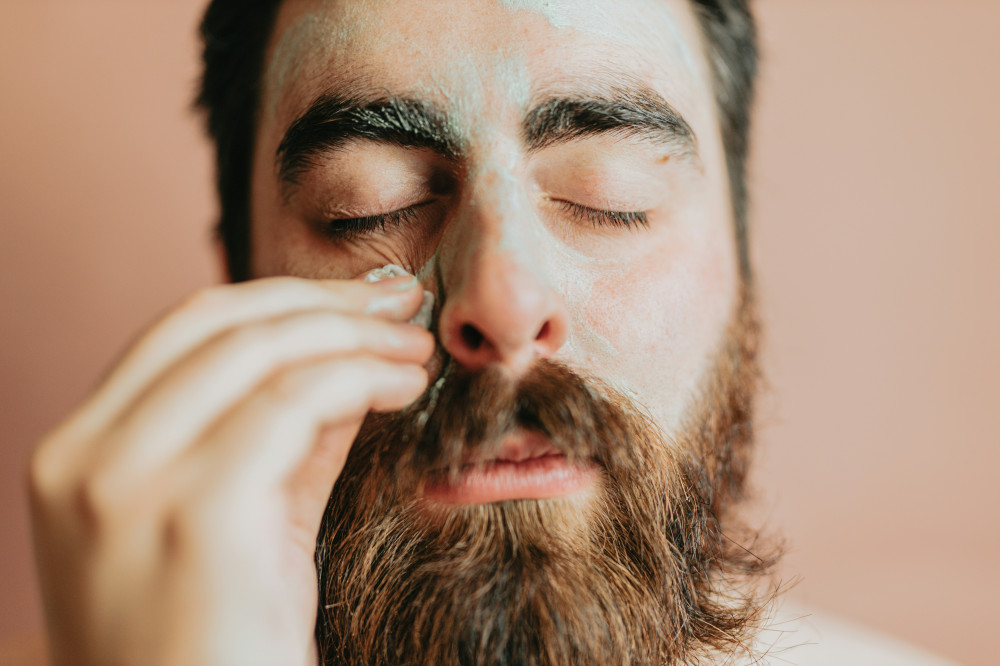
The skin microbiome is also shaped by both internal and external factors. Frequent washing with harsh soaps, overuse of antibacterial products, and low humidity can disrupt the skin’s natural microbial balance. On the other hand, gentle skincare that respects the skin’s natural pH can help maintain a healthy ecosystem.
Aging and Microbiome Changes
As we age, gradual changes occur in both gut and skin microbiomes. The gut’s bacterial diversity often decreases, and some bacteria that produce short-chain fatty acids—important for gut health—become less abundant. This can affect immune function and increase inflammation.
The skin microbiome also shifts with age. Skin becomes drier, thinner, and less oily, creating different conditions for microbial growth. The skin barrier weakens, making it more vulnerable to irritation and infection.
While these changes are natural, lifestyle choices can help counteract them. A diet rich in plant fibers, omega-3 fatty acids, and antioxidants supports gut health, while moisturizing and gentle skincare can help the skin maintain its balance.
Environment and Lifestyle – The Hidden Influences
Where and how we live has a major impact on our microbiome. People in urban environments often have less microbial diversity than those who live closer to nature. Contact with soil, plants, and animals can actually help strengthen microbial diversity.
Stress, lack of sleep, and sedentary habits can also disrupt the microbiome. Chronic stress can alter gut motility and increase intestinal permeability, leading to imbalance. Regular physical activity, good sleep, and time outdoors are therefore beneficial not only for mental health but also for the microbes that live in and on us.
Læs også:


How to Support a Healthy Microbiome
Although much of our microbiome is shaped early in life, we can actively support it through daily habits:
- Eat a varied, fiber-rich diet – Include vegetables, whole grains, legumes, and fermented foods like yogurt, kefir, or sauerkraut.
- Use antibiotics wisely – Take them only when prescribed and follow medical guidance carefully.
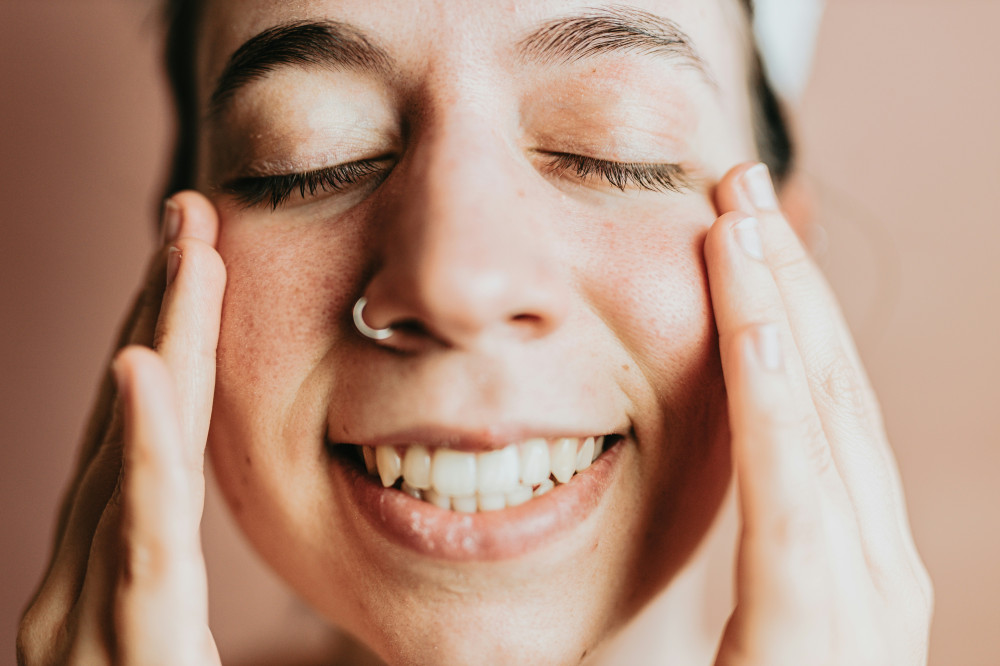
- Choose gentle skincare – Avoid overusing antibacterial products and opt for mild cleansers.
- Stay active and get enough sleep – Exercise and rest both strengthen the immune system and support microbial balance.
- Spend time in nature – Exposure to natural environments can increase microbial diversity.
A Lifelong Balance
The gut and skin microbiomes are living ecosystems that evolve with us. They are shaped by our choices as well as by the stages of life we pass through. By understanding and supporting these microbial communities, we can promote not only digestive and skin health but also overall well-being. The balance is never static—it’s alive, and it grows with us throughout life.
Læs også: