Eat Greener: Sustainable Eating Habits for a Healthy Body and a Strong Climate


Eat Greener: Sustainable Eating Habits for a Healthy Body and a Strong Climate
Eating greener isn’t just about swapping a burger for a salad—it’s about making mindful choices that benefit both your health and the planet. The way we eat has a major impact on the environment, and at the same time, a more plant-forward diet can boost energy, improve digestion, and lower the risk of chronic diseases. Here’s how you can embrace sustainable eating without giving up flavor or satisfaction.
Why Eat Greener?
Food production, especially meat and dairy, is one of the largest contributors to greenhouse gas emissions. Beef and lamb require vast amounts of feed, water, and land. By cutting back on meat and adding more vegetables, legumes, and whole grains to your plate, you can significantly reduce your carbon footprint.
Research also shows that plant-rich diets can strengthen the immune system, lower cholesterol, and reduce the risk of heart disease and type 2 diabetes. In other words, eating greener is a win for both your body and the climate.
Læs også:



Start with Small Steps
You don’t have to go vegan overnight. Small, consistent changes can make a big difference.
- Meatless days: Try a “Meatless Monday” or “Plant-Powered Friday.”
- Cut meat portions: Use less meat in dishes like chili, tacos, or pasta sauce, and replace the rest with beans, lentils, or mushrooms.
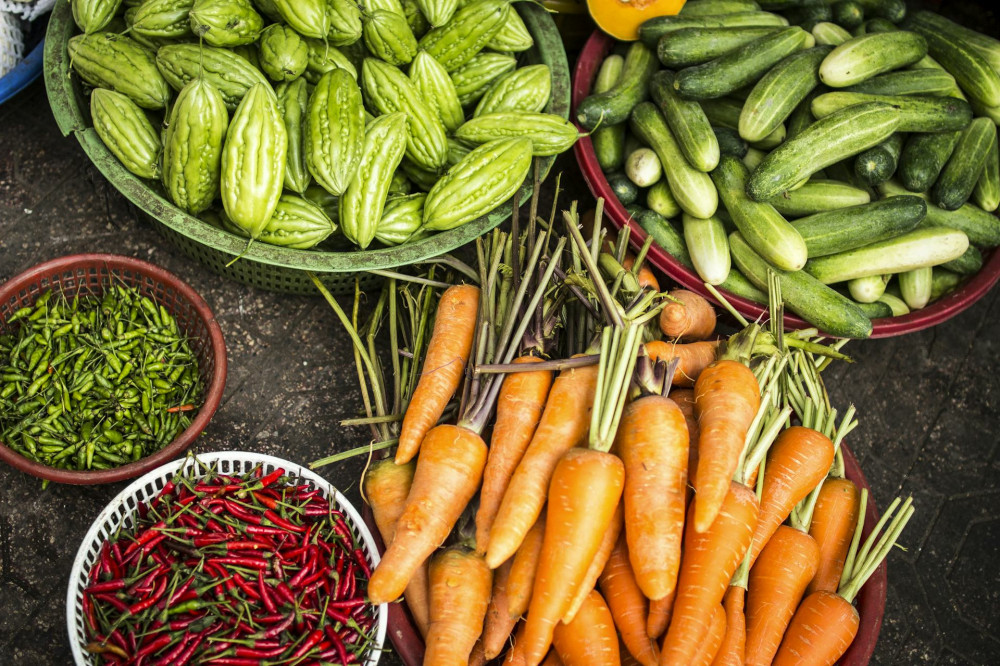
- Buy local: Produce grown in your region often has a smaller environmental footprint than imported goods.
- Eat seasonally: Seasonal fruits and vegetables taste better and are usually more sustainable.
The key is to find a rhythm that fits your lifestyle—something you can maintain long term.
Plan Your Meals
One of the biggest challenges in eating greener is habit. Many people reach for meat because it’s familiar and convenient. But with a little planning, plant-based meals can be just as easy.
Create a weekly meal plan that puts vegetables at the center of your plate. Use leftovers creatively—roasted vegetables can become a hearty salad the next day, and cooked lentils can be turned into veggie burgers or wraps.
Meal planning also helps reduce food waste, another crucial part of sustainable eating.
Make Vegetables Exciting
Plant-based food doesn’t have to be bland or boring. With the right spices, herbs, and cooking methods, vegetables can be the star of any meal.
- Roast your veggies with olive oil, garlic, and herbs for rich flavor.
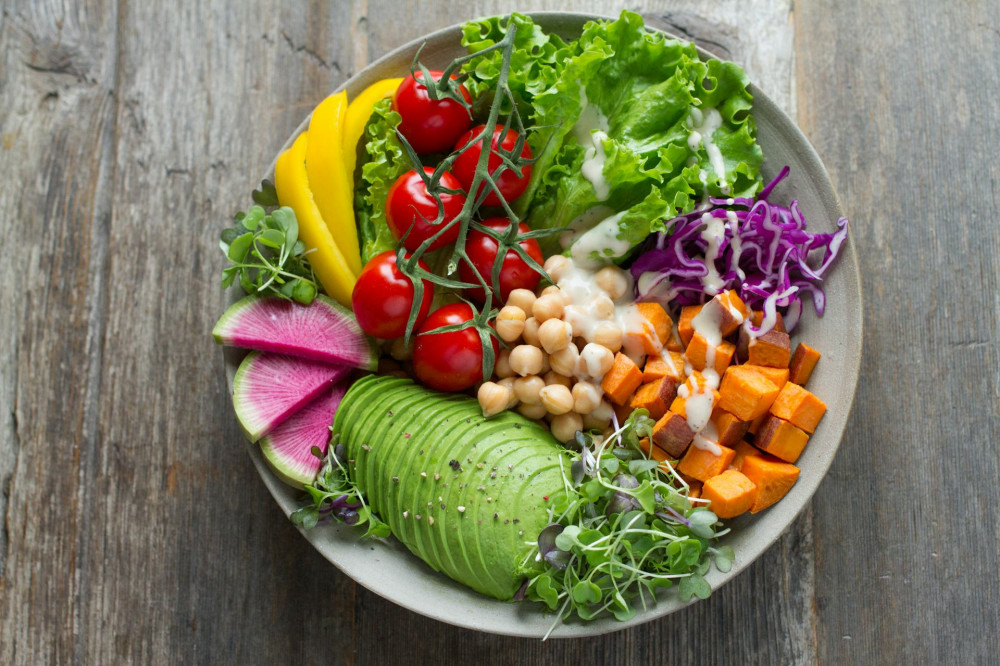
- Build colorful bowls with grains, greens, beans, and a tasty dressing.
- Experiment with plant proteins like tofu, tempeh, or seitan—they can be marinated and grilled for great texture.
- Explore global cuisines such as Mediterranean, Middle Eastern, or Asian dishes, where vegetables often take center stage.
The more you experiment, the easier it becomes to find plant-based meals you truly enjoy.
Think Beyond the Plate
Sustainable eating isn’t only about what you eat—it’s also about how you shop, store, and prepare food. Use reusable bags and containers, avoid single-use packaging, and save leftovers instead of tossing them.
Consider where your food comes from. Organic and locally produced foods often support better soil health and animal welfare. By supporting local farmers and markets, you help build a more resilient food system.
A Balanced, Healthy Body
A greener diet naturally provides more fiber, vitamins, and minerals, leading to steadier energy and better digestion. Just make sure you’re getting enough protein and healthy fats—from beans, nuts, seeds, and plant oils.
Sustainable eating isn’t about strict rules or perfection. It’s about balance: eating a variety of foods, listening to your body, and enjoying your meals. When healthy choices feel good, they become habits that last.
Small Choices, Big Impact
Eating greener is a journey, not a destination. Every time you choose lentils over beef, seasonal produce over imported fruit, or plan your meals to reduce waste, you’re making a positive impact—for yourself and for the planet.
It’s not about being perfect; it’s about being mindful. Each small step adds up. When you eat greener, you’re investing in your own well-being—and in a healthier, more sustainable future for everyone.
Læs også: