Facial Treatments Through the Ages: How Changing Ideals Have Shaped Our View of Beauty

Facial Treatments Through the Ages: How Changing Ideals Have Shaped Our View of Beauty
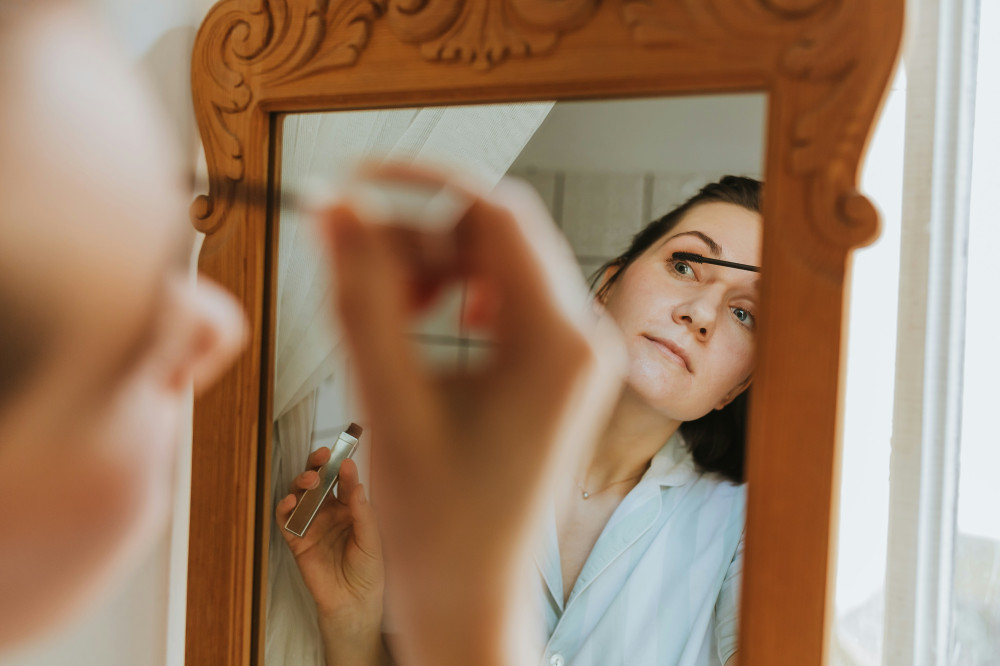
From milk baths in ancient Egypt to high-tech skincare clinics in modern America, facial treatments have always reflected the beauty ideals of their time. What we consider beautiful has shifted dramatically through the centuries, yet the desire to care for and enhance the skin has remained constant. This article explores how evolving ideals have shaped our perception of beauty—and how facial treatments have evolved alongside them.
Beauty as Status in the Ancient World
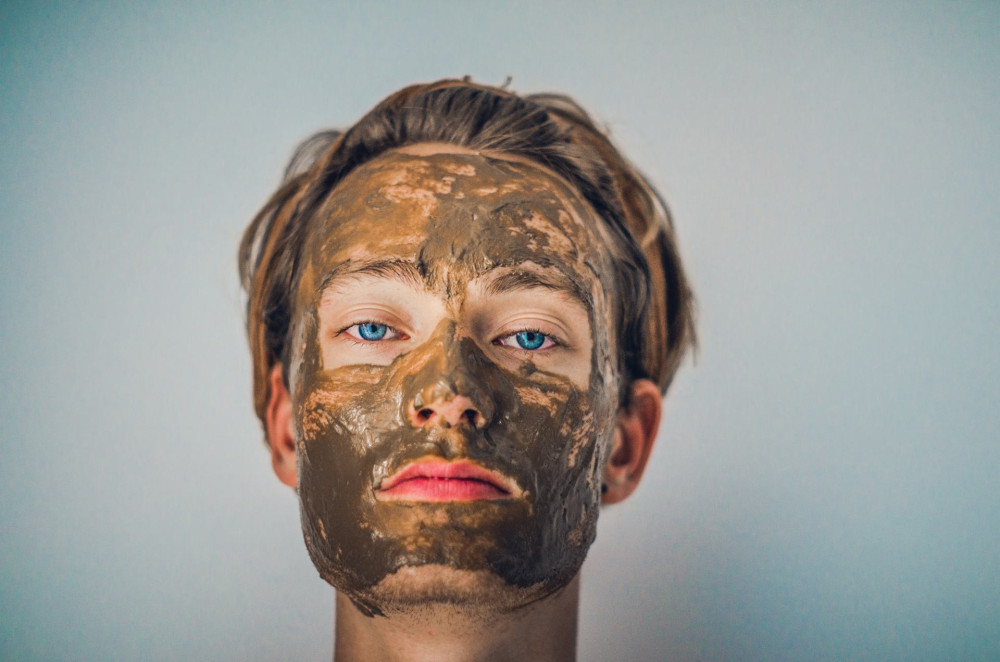
In ancient Egypt, skincare was closely tied to purity and social standing. Both men and women used oils, honey, and milk to soften the skin, while clay and mineral masks were applied to preserve a youthful glow. Cleopatra’s legendary beauty rituals have become symbols of this era—representing not only power but also the early art of skincare.
In Greece and Rome, beauty was seen as a reflection of harmony and virtue. Pale, even-toned skin was associated with nobility, and women used powders made from lead and chalk to achieve the ideal complexion—a practice that, as history later revealed, came with serious health risks.
Læs også:
The Middle Ages and the Renaissance: Modesty and Refinement
During the Middle Ages, overt concern with appearance was often viewed as vanity, yet among the upper classes, herbal remedies and homemade masks remained popular. Smooth, fair skin continued to be prized, symbolizing purity and refinement.
The Renaissance brought a renewed fascination with beauty and self-presentation. Women used vinegar, egg whites, and even mercury-based creams to achieve a flawless look. Apothecaries and early cosmetologists began developing more sophisticated formulas, marking the beginning of skincare as both an art and a science.
The 19th Century: Industry and Innovation
The Industrial Revolution transformed beauty culture. With mass production came new ingredients and accessible products—soaps, creams, and toners became household staples. The emerging cosmetics industry began to blend luxury with science, and skincare was no longer reserved for the elite.
Beauty salons appeared in major cities, offering steam treatments, massages, and masks. These experiences were not just about appearance—they represented modernity, self-care, and social status. For many women, visiting a salon became a symbol of independence and sophistication.
The 20th Century: From Hollywood Glamour to Natural Beauty
In early 20th-century America, Hollywood defined beauty. Movie stars with flawless, glowing skin set the standard, and facial treatments promised radiance and eternal youth. Cold creams, facial massages, and moisturizing masks became part of everyday routines.
By the 1960s and 1970s, ideals began to shift. The natural look gained popularity, and skincare moved toward wellness and authenticity. Herbal ingredients, aromatherapy, and organic products became mainstream. Facials were no longer just cosmetic—they were therapeutic, part of a broader lifestyle focused on balance and self-care.
Today’s Facial Treatments: Where Technology Meets Tradition
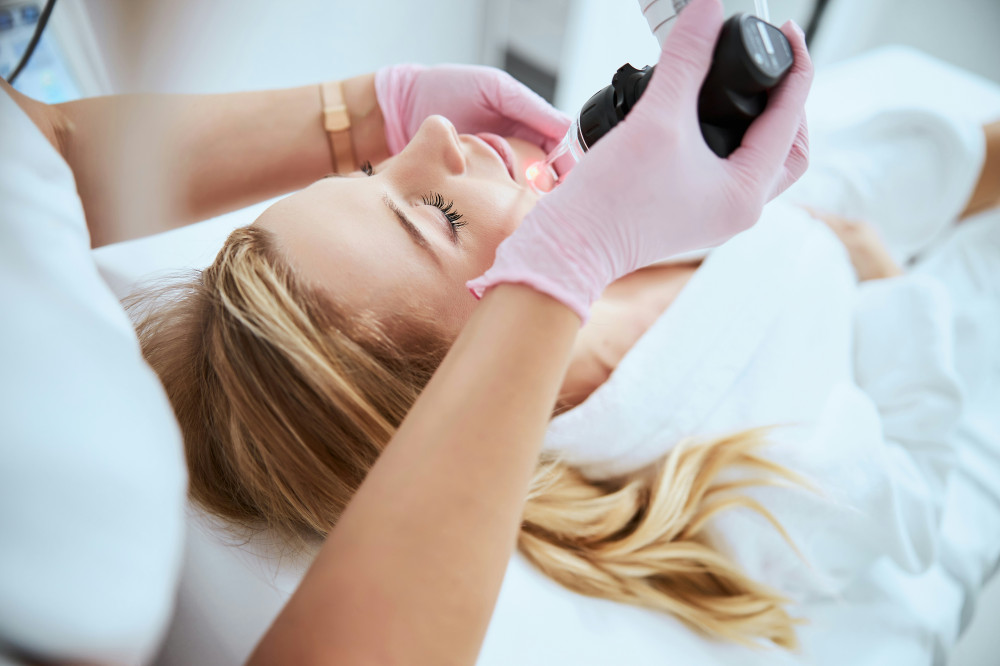
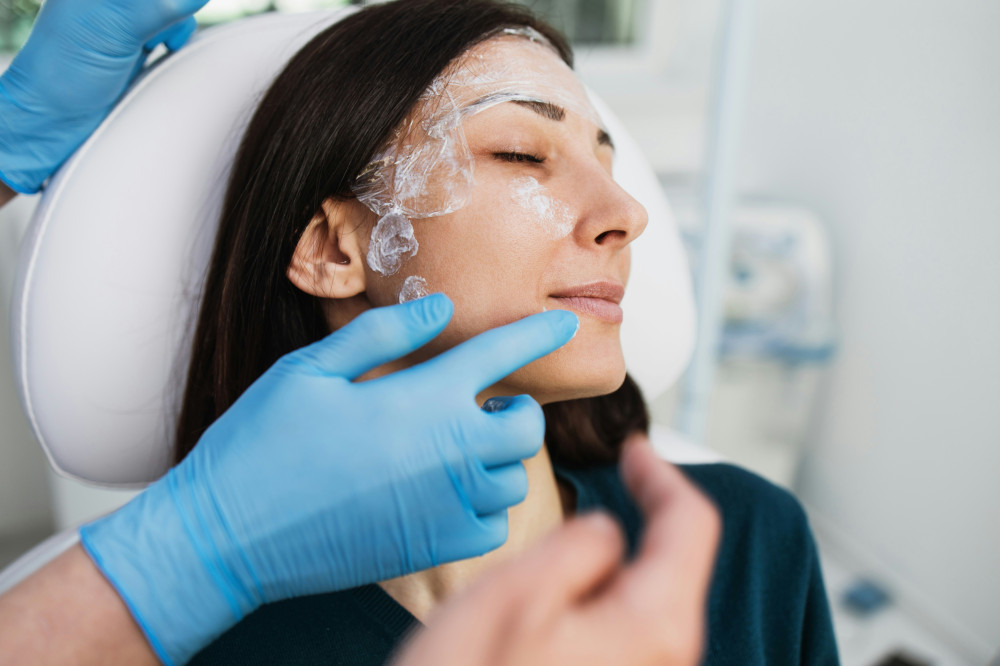
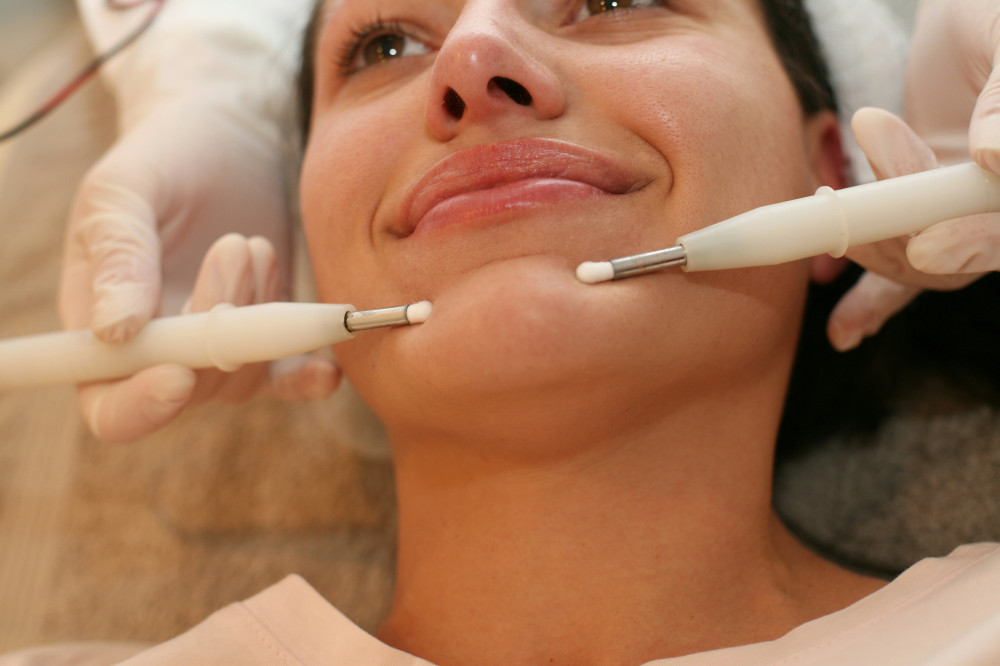
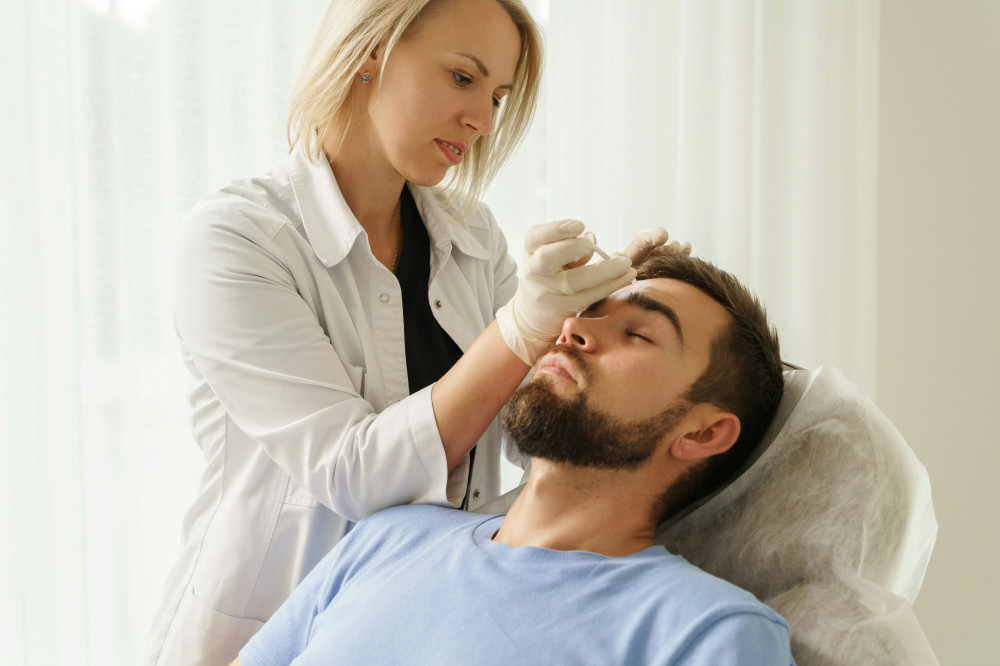
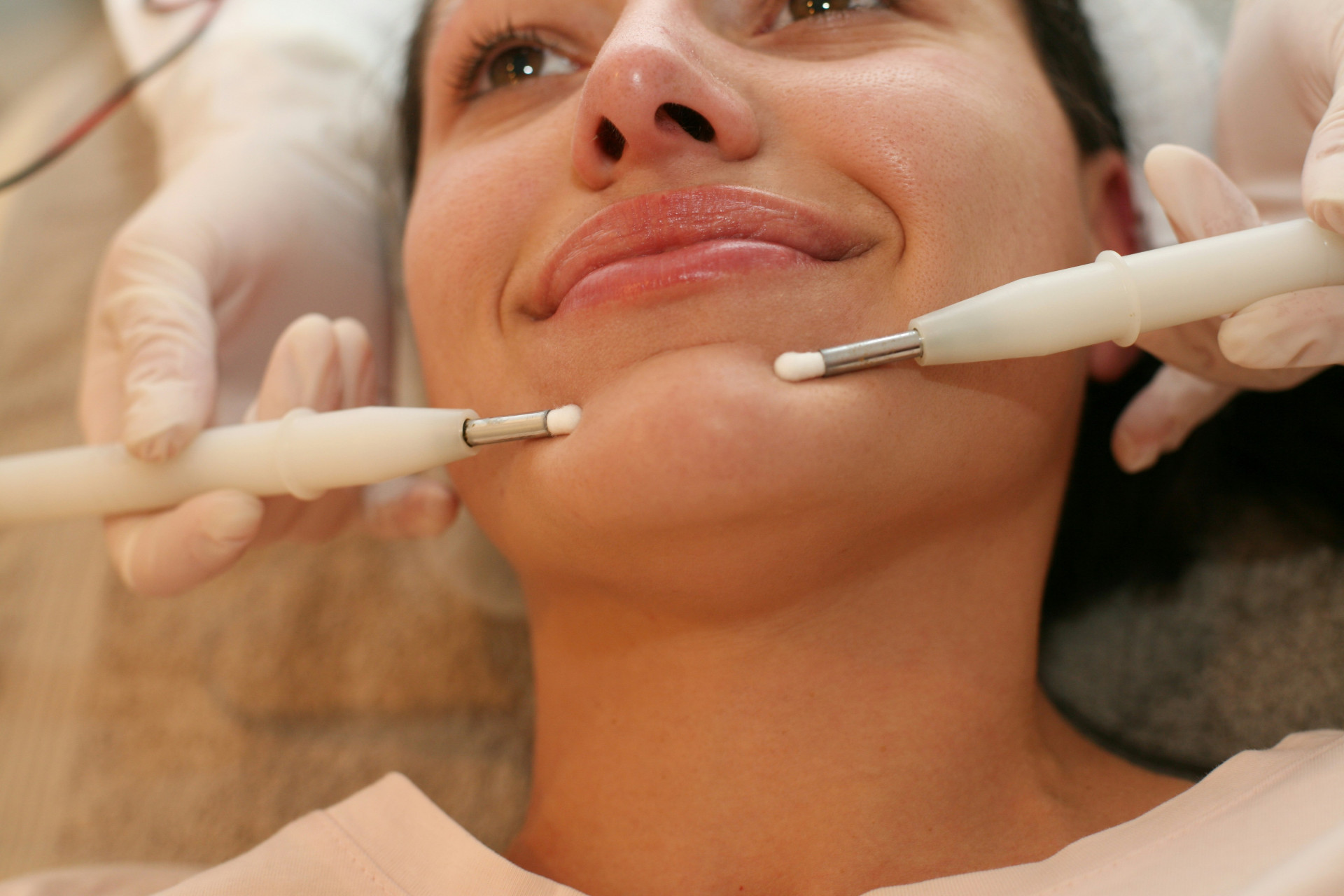
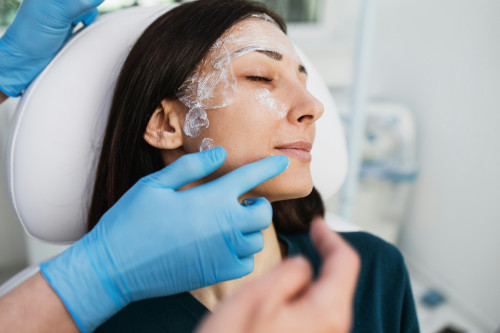
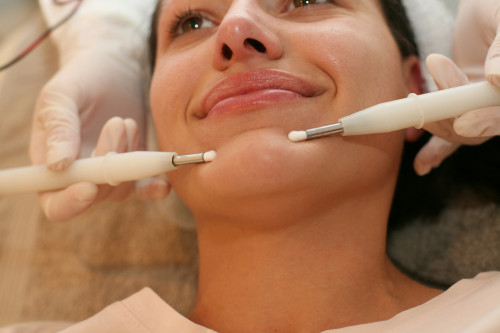
Modern facial treatments range from simple hydrating masks to advanced procedures using lasers, LED light, and microneedling. Technology allows for personalized care, targeting issues like acne, hyperpigmentation, and signs of aging with remarkable precision.
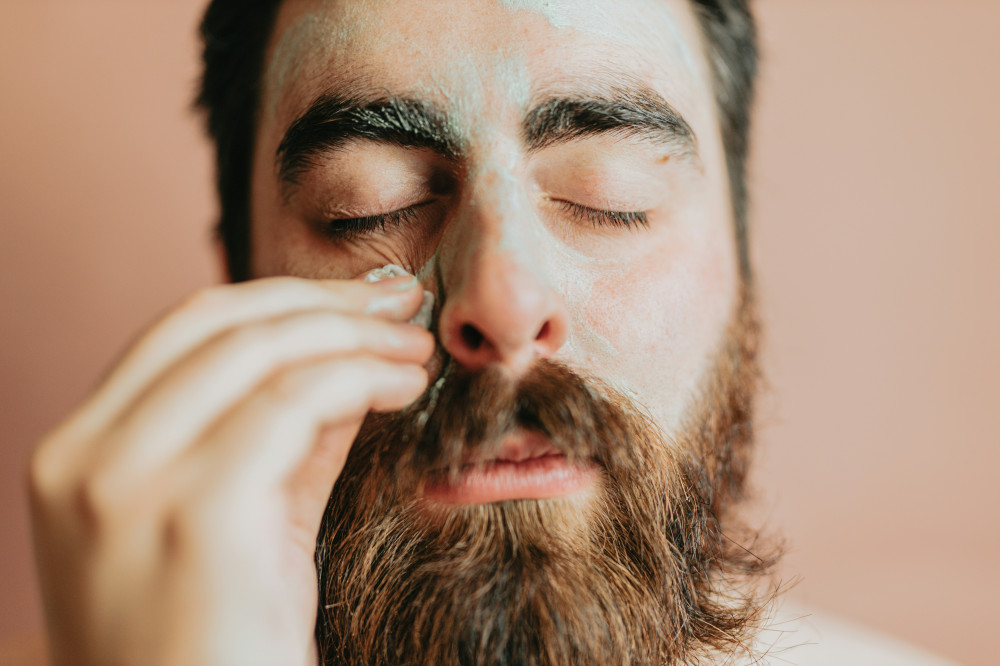
At the same time, there’s a renewed appreciation for natural ingredients. American consumers increasingly seek clean, sustainable products free from harsh chemicals. Clay, seaweed, and botanical oils—once ancient remedies—are now key components in cutting-edge formulations. This blend of innovation and tradition reflects today’s ideal: not perfection, but authenticity and self-confidence.
Evolving Ideals of Beauty
While past beauty standards often excluded diversity, today’s concept of beauty is broader and more inclusive. Facial treatments are no longer just about looking young—they’re about feeling comfortable in one’s own skin. They represent self-care, health, and mindfulness in a fast-paced world.
Beauty ideals will continue to evolve, but the ritual of caring for the face endures. From Cleopatra’s milk baths to modern med-spas, the act of nurturing the skin remains a timeless expression of identity, confidence, and self-respect.
Læs også: