Acne in Men and Women: Differences, Causes, and Effective Treatment Options

Acne in Men and Women: Differences, Causes, and Effective Treatment Options
Acne is one of the most common skin conditions in the United States, affecting both men and women of all ages. While the underlying causes—hormonal changes, excess oil production, and clogged pores—are similar, research shows that acne can appear and progress differently depending on gender. Understanding these differences is key to finding the most effective treatment and prevention strategies for your skin type and lifestyle.
Differences Between Men and Women
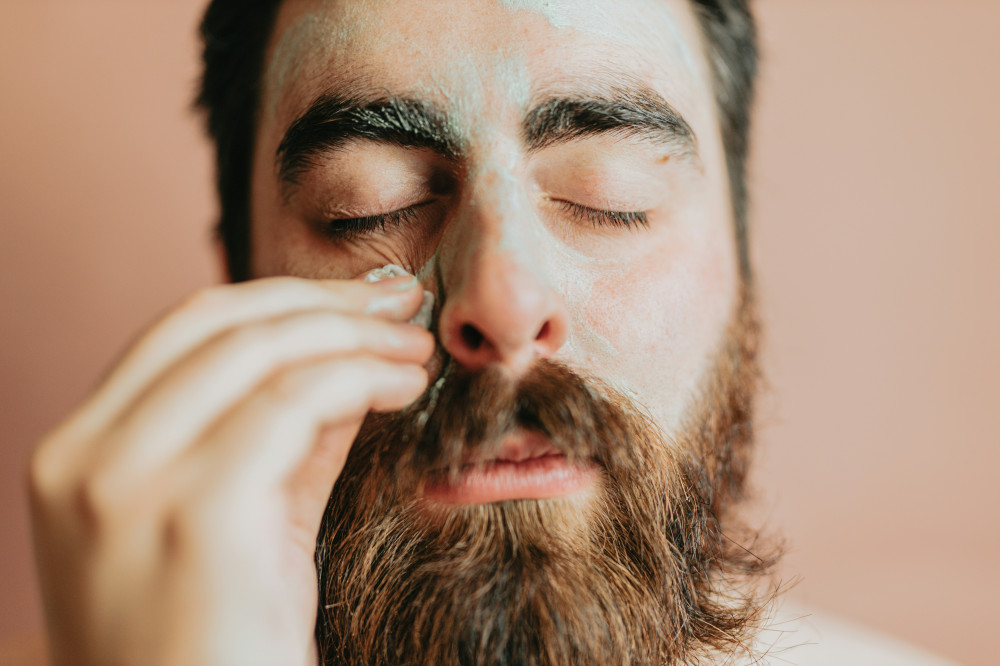
For men, acne tends to be more persistent and concentrated on the face, particularly along the jawline, cheeks, and back. This is largely due to higher levels of testosterone, which stimulate the sebaceous glands to produce more oil. The excess oil can clog pores and lead to inflamed breakouts that may require professional treatment to manage effectively.
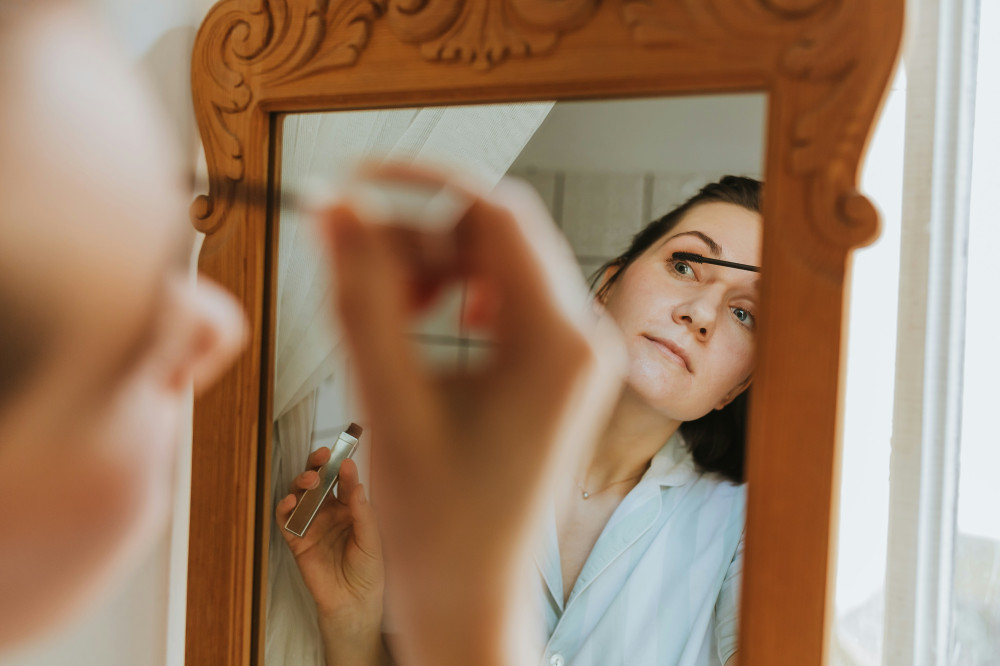
Women, on the other hand, often experience acne in cyclical patterns related to hormonal fluctuations during menstruation, pregnancy, or menopause, as well as changes caused by birth control. Female acne is more likely to appear around the chin and mouth, and the severity can vary from month to month.
Læs også:
Common Causes of Acne
While hormones play a central role, several other factors can worsen acne:
- Stress – Increases cortisol levels, which can trigger more oil production.
- Diet – High-glycemic foods and dairy products may worsen acne in some individuals.
- Skincare products – Heavy or pore-clogging products can aggravate breakouts.
- Genetics – A family history of acne increases the likelihood of developing it.
- Environment and lifestyle – Sweat, pollution, and not cleansing after workouts can contribute to flare-ups.
For men, shaving and using alcohol-based aftershaves can irritate the skin, while women may find that makeup or hormonal contraceptives affect their skin’s balance.
Effective Treatment Options
Treating acne requires patience and a combination of good habits, proper skincare, and sometimes medical intervention. Here are some of the most effective approaches:
1. Cleansing and Skincare
Cleanse your face twice daily with a gentle, non-comedogenic cleanser that won’t strip the skin of its natural moisture. Even oily skin needs hydration—using a lightweight, oil-free moisturizer can help prevent the skin from overproducing oil.
2. Topical Treatments
Over-the-counter products containing salicylic acid, benzoyl peroxide, or retinoids can help unclog pores, reduce inflammation, and prevent new breakouts. For women with hormonally driven acne, combining these with hormone-regulating treatments may be beneficial.
3. Prescription Medications
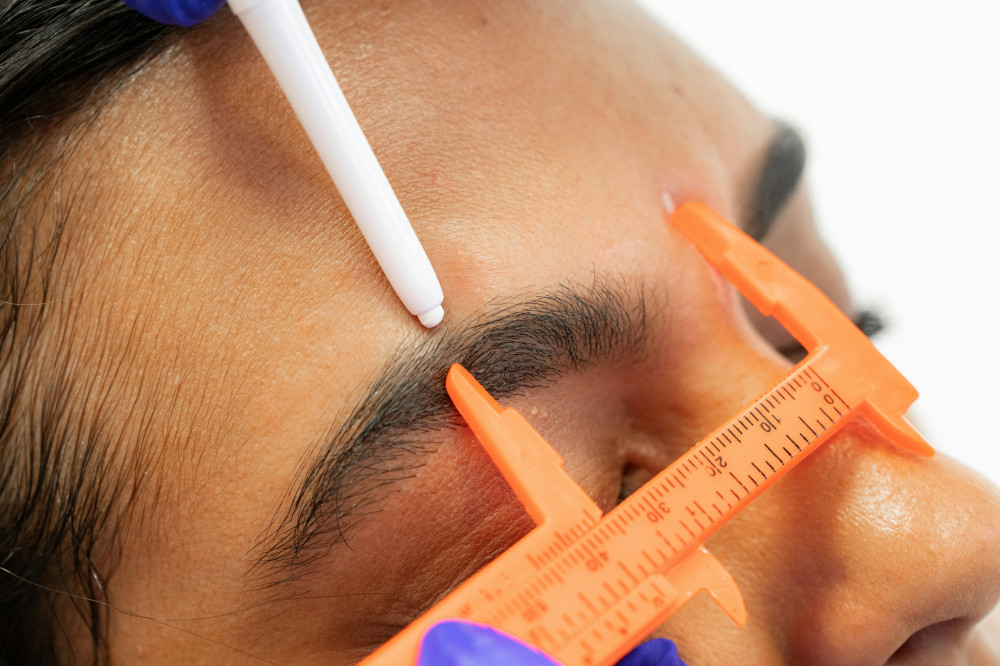
For moderate to severe acne, a dermatologist may prescribe oral or topical antibiotics, hormonal therapy (such as certain birth control pills), or isotretinoin. Isotretinoin is often used for severe cases, particularly in men, as it significantly reduces oil production.
4. Professional Treatments
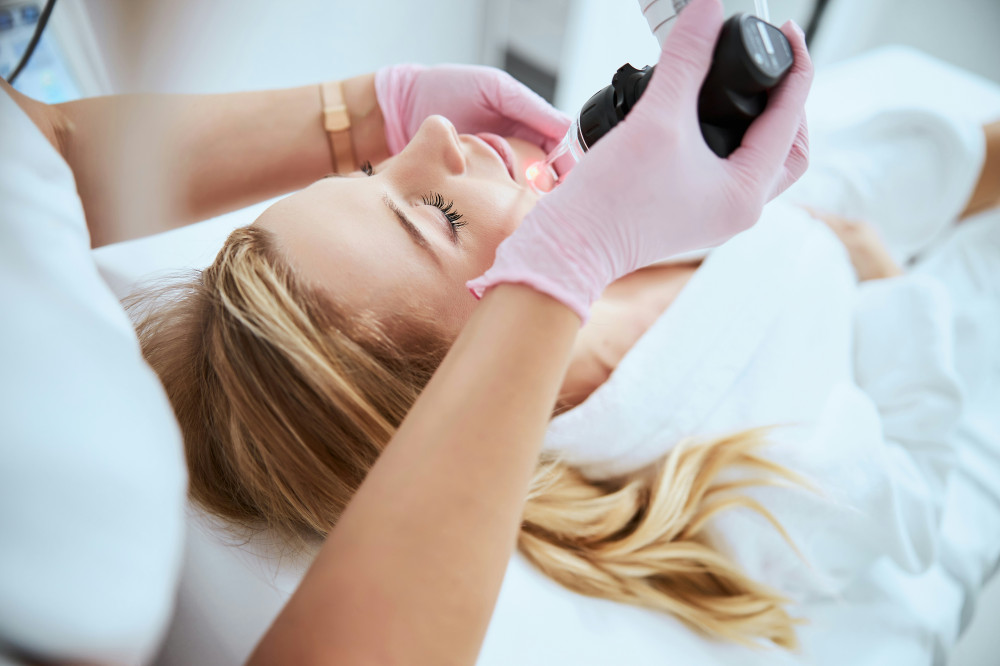
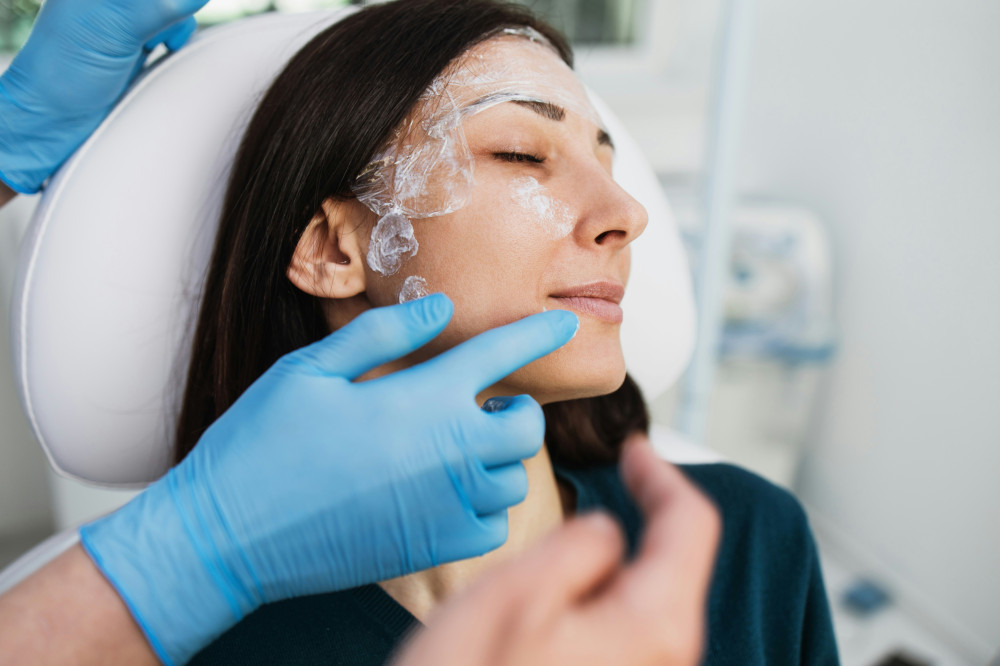
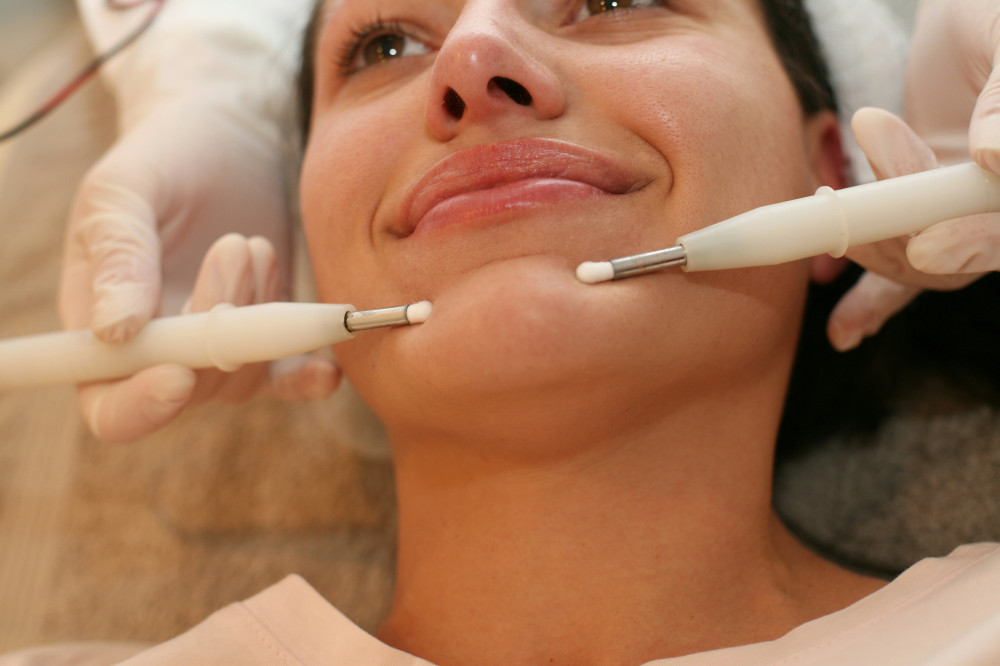
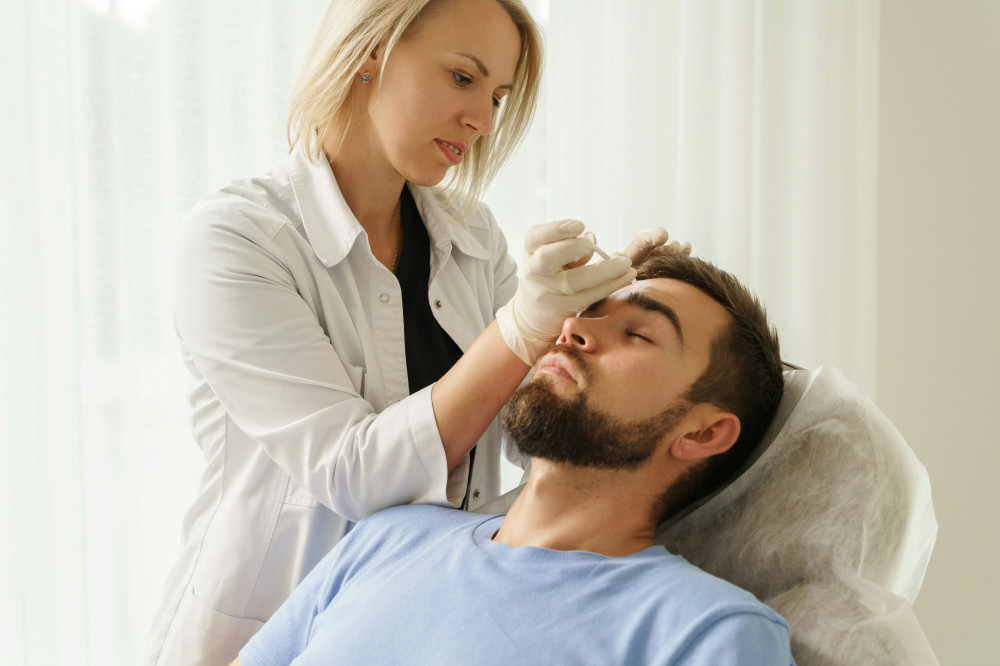
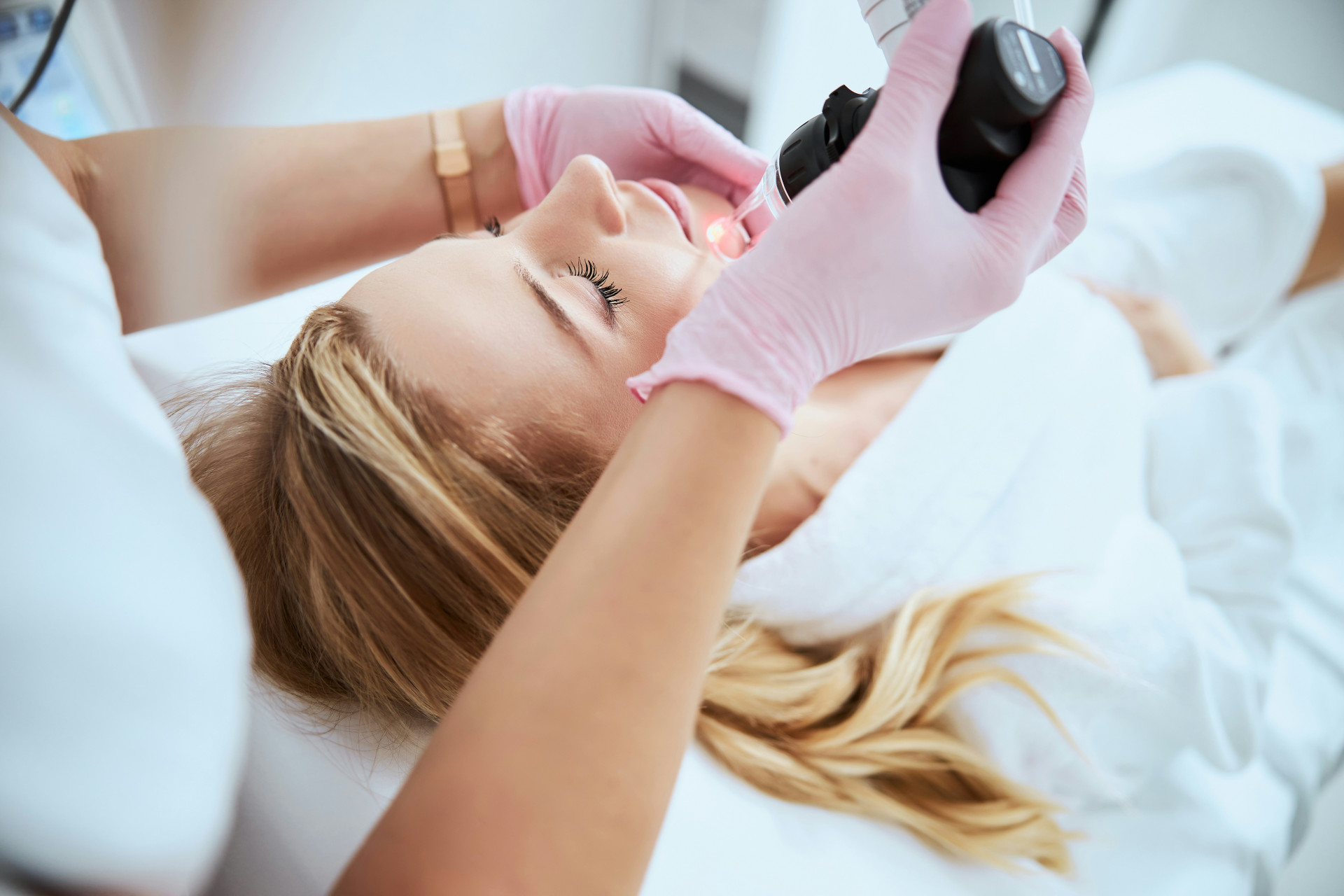
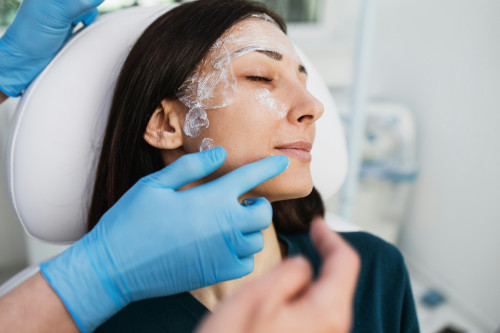
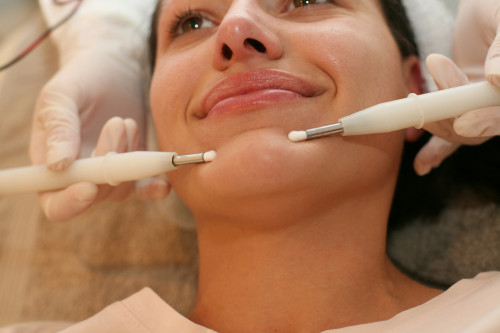
Dermatological procedures such as chemical peels, laser therapy, and light-based treatments can help reduce active breakouts and improve acne scars. These should always be performed by a qualified dermatologist or licensed skincare professional.
5. Lifestyle Adjustments
Healthy habits can make a big difference. A balanced diet rich in vegetables, whole grains, and healthy fats supports skin health. Regular exercise, adequate sleep, and stress management also help regulate hormones and reduce inflammation.
Preventing Acne Scars
One of the biggest challenges with acne is the risk of scarring. The most important rule is not to pick or squeeze pimples, as this increases the risk of infection and permanent marks. Instead, use products containing niacinamide or vitamin A derivatives to promote healing and even out skin tone.
If scars have already formed, treatments such as microneedling, laser resurfacing, or chemical peels can gradually improve skin texture and appearance.
A Personalized Approach Yields the Best Results
There is no one-size-fits-all solution for acne. The best results come from a personalized combination of skincare, medical treatment, and lifestyle changes. Because men and women have different hormonal and skin characteristics, treatment should be tailored to individual needs. With consistency, patience, and the right guidance, most people can achieve clearer, healthier, and more balanced skin.
Læs også: