The History of the Earring: From Protective Symbol to Fashion Icon


The History of the Earring: From Protective Symbol to Fashion Icon
Today, earrings are among the most popular accessories in the world—worn by people of all genders, ages, and backgrounds. Yet behind these small ornaments lies a long and fascinating story that stretches back thousands of years. From ancient symbols of protection and power to modern expressions of identity and style, earrings have evolved alongside human culture itself.
Ancient Origins – Magic and Protection
The earliest known earrings date back more than 5,000 years, to ancient Mesopotamia and Egypt. In these early civilizations, jewelry was far more than decoration—it carried spiritual and social meaning. Earrings were believed to protect the wearer from evil spirits, which were thought to enter the body through the ears. By wearing metal, a material associated with strength and divine energy, people sought to guard themselves from harm.
In ancient Egypt, both men and women wore earrings. Pharaohs and priests used them as symbols of status and divine connection, while ordinary citizens wore simpler versions as protective charms. Across the Middle East and Persia, earrings also served as markers of wealth and rank, often crafted in gold and adorned with gemstones.
Greece and Rome – Symbols of Beauty and Status
In classical Greece and the Roman Empire, earrings became part of the language of fashion. Greek women wore them to highlight beauty and prosperity, while Roman society used them to signal social class. Slaves and lower classes might wear simple metal hoops, whereas the wealthy displayed elaborate designs featuring pearls and precious stones.
As craftsmanship advanced, earrings became more artistic. Jewelers experimented with intricate shapes and balanced proportions, reflecting the classical ideals of harmony and beauty that defined the era.
The Middle Ages – Decline and Survival
During the Middle Ages in Europe, earrings fell out of favor. The Christian Church often discouraged body adornment, viewing it as a sign of vanity. Fashion also played a role—head coverings, veils, and high collars concealed the ears, making earrings less visible and less practical.
Still, the tradition never disappeared entirely. In southern Europe and among sailors, earrings retained their meaning. For seafarers, a gold earring could symbolize that one had crossed the equator or sailed around the world. Some even believed it would pay for a proper burial if they died at sea.
The Renaissance and Baroque Eras – A Return to Splendor
With the Renaissance came a renewed love of art, beauty, and luxury—and earrings made a grand comeback. Women wore large, drop-shaped pearl earrings that complemented the elaborate gowns and hairstyles of the time. Men of high rank, including nobles and courtiers, also adopted earrings as symbols of refinement and daring.
Portraits from the 16th and 17th centuries show figures such as explorers, artists, and even monarchs wearing earrings. The English adventurer Sir Francis Drake and playwright William Shakespeare are among those who helped make the accessory a mark of individuality and sophistication.
The 19th Century – Modesty and Innovation
In the 1800s, fashion shifted once again. Hairstyles and hats often covered the ears, making large earrings impractical. Smaller, more discreet studs became fashionable, often featuring diamonds, sapphires, or other precious stones. Earrings came to symbolize romance and elegance rather than status or rebellion.
At the same time, piercing itself became less common in some circles. The invention of clip-on earrings allowed women to wear jewelry without piercing their ears—a trend that would remain popular well into the 20th century.
Læs også:



The 20th Century – From Rebellion to Mainstream
The 20th century transformed the earring into a symbol of self-expression. In the 1920s and 1930s, Hollywood stars helped bring earrings back into the spotlight, associating them with glamour and modern femininity. Later, in the 1960s and 1970s, earrings became part of the counterculture. Hippies, punks, and other youth movements embraced them as signs of freedom and defiance. Men, too, began wearing earrings again, challenging traditional gender norms.
By the 1980s and 1990s, earrings had become fully mainstream. Pop icons and rock stars—from Madonna to George Michael—turned them into fashion statements that transcended gender and culture. The earring was no longer just an accessory; it was a declaration of identity.
Today – Diversity and Self-Expression
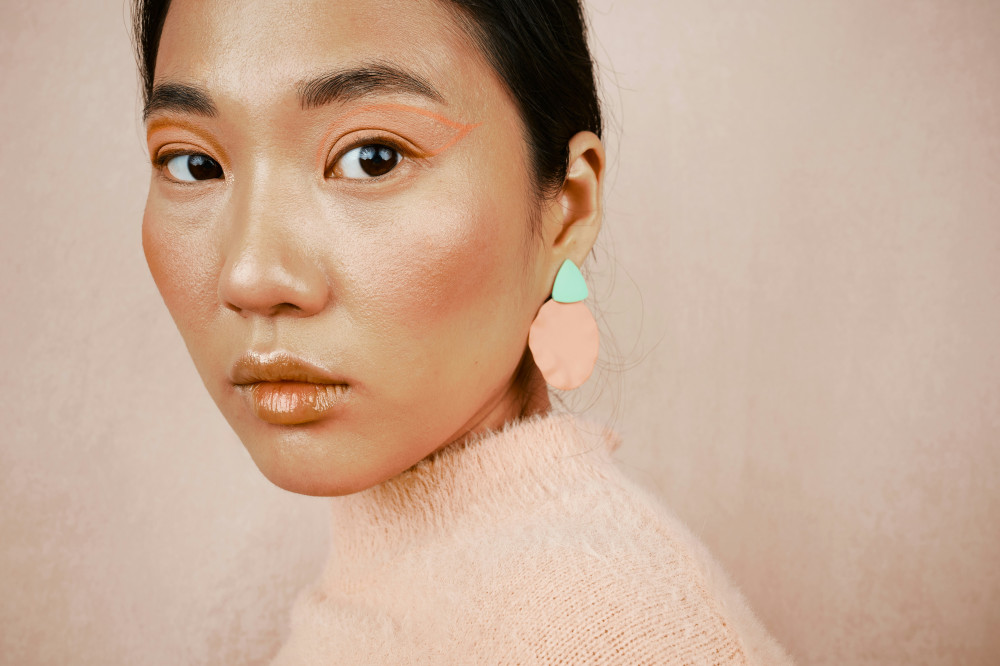
In the 21st century, earrings come in every imaginable form, from minimalist studs to oversized hoops and avant-garde designs. They are worn across cultures, genders, and generations, reflecting a world that celebrates individuality and diversity. Multiple piercings, mismatched pairs, and sustainable materials all speak to the creativity of modern fashion.
What began as a talisman against evil has become one of the most personal and expressive forms of adornment. The earring tells a story—not only of human history and culture, but also of the person who chooses to wear it.
Læs også: