Protect Your Hands and Nails from Water and Chemicals in Everyday Life

Protect Your Hands and Nails from Water and Chemicals in Everyday Life
Our hands are among the hardest-working parts of the body. They’re constantly exposed to water, soap, cleaning products, and other chemicals that can dry out the skin and weaken the nails. Over time, this can lead to cracks, irritation, and brittle nails. Fortunately, a few simple habits can help you protect your hands and keep them healthy and strong—even with a busy lifestyle.
Water Isn’t Always Your Friend
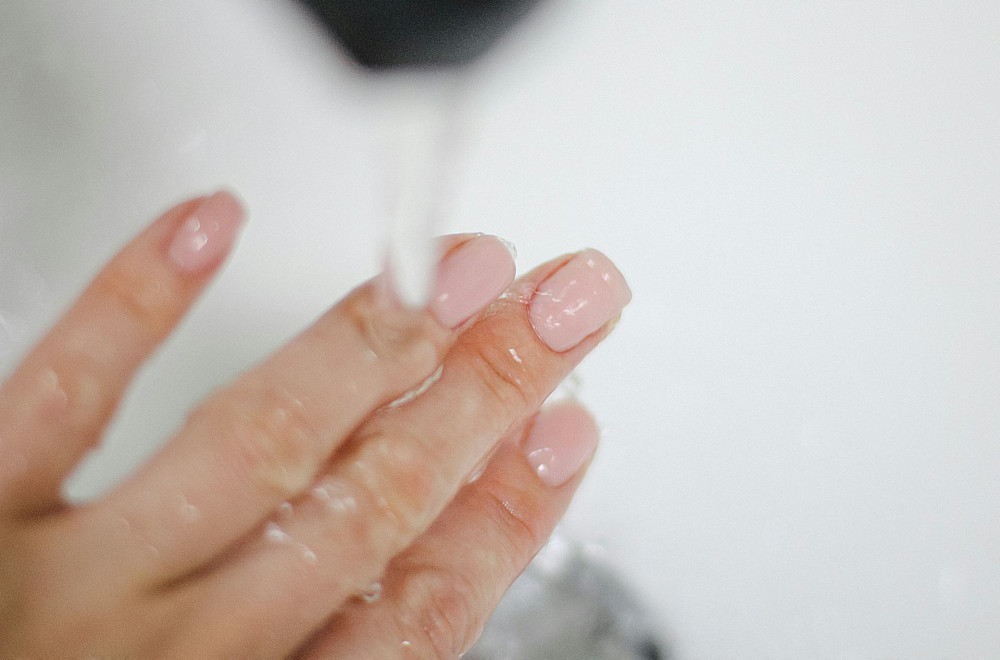
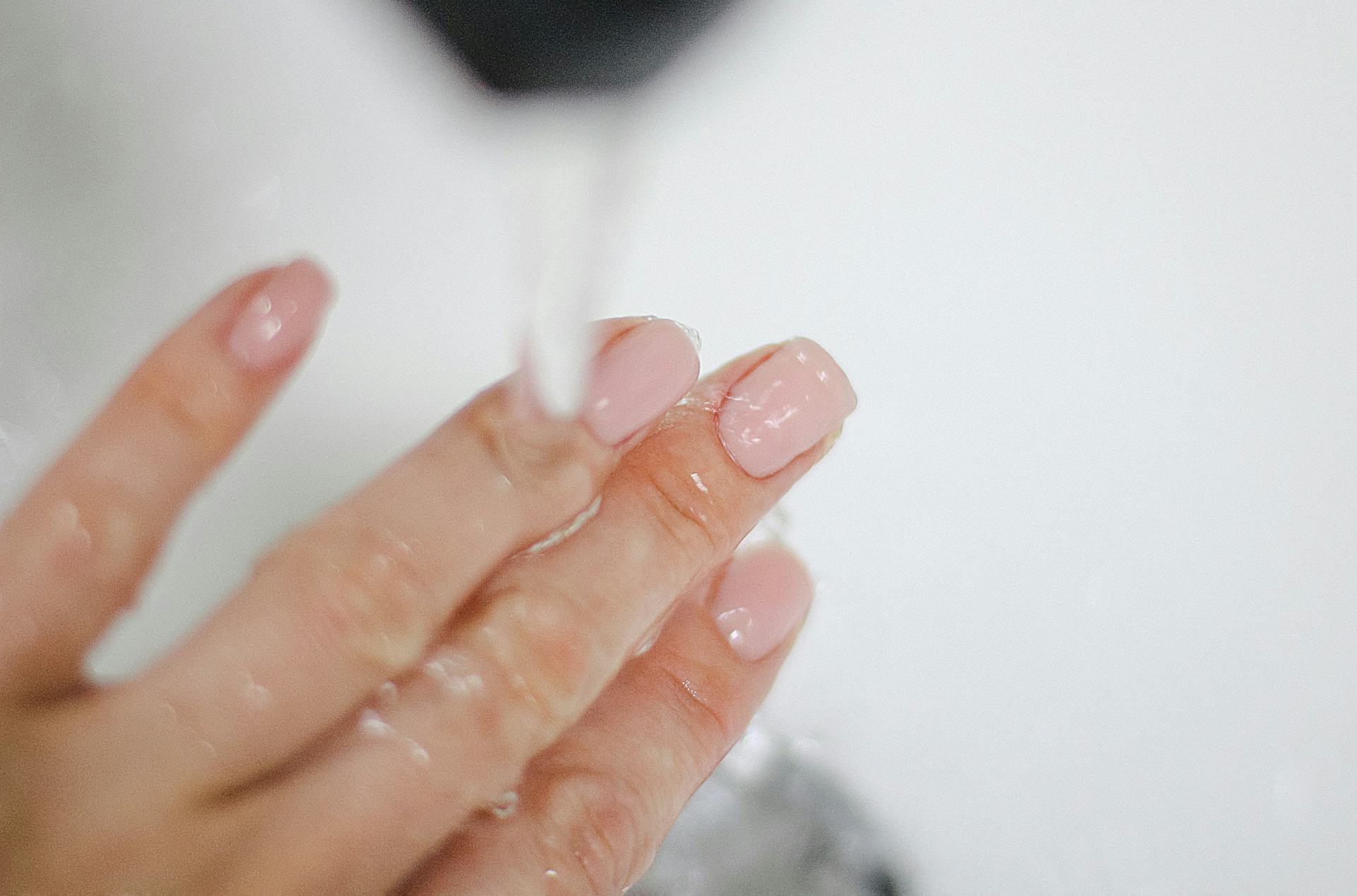
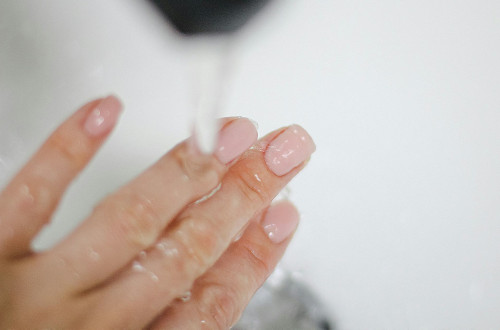
While water seems harmless, frequent contact can actually strip away the skin’s natural oils. Washing your hands many times a day or doing dishes without protection can leave your skin dry and rough.
- Wear gloves when washing dishes or cleaning—choose ones with a cotton lining so your skin can breathe.
- Dry your hands thoroughly after washing, especially between the fingers.
- Apply hand cream right after washing, while your skin is still slightly damp—this helps lock in moisture.
If your job or daily routine involves frequent contact with water, consider using a barrier cream for extra protection.
Be Careful with Cleaning Products and Chemicals
Many household cleaners contain ingredients that can irritate the skin and damage nails. Even mild products can cause problems over time if you don’t take precautions.
- Read product labels and choose cleaners that are fragrance-free and low in harsh solvents.
- Always wear gloves when handling cleaning products, even for quick tasks.
- Avoid direct contact with nail polish removers, especially those containing acetone, as they can dry out nails and cuticles.
If you notice redness, itching, or irritation, take a break from cleaning products and treat your skin with a rich, repairing cream.
Give Your Hands Moisture and Nourishment
A good hand cream is your best defense. Choose one that suits your skin type and daily needs. A lightweight, fast-absorbing lotion works well during the day, while a thicker cream or ointment is ideal for nighttime repair.
- Use hand cream several times a day, especially after washing your hands.
- Massage the cream into your cuticles to keep them soft and flexible.
- Try overnight care: Apply a thick layer of cream before bed and wear cotton gloves overnight for an intensive moisture boost.
For extra nail care, use cuticle or nail oil a few times a week. It strengthens nails and helps prevent splitting or discoloration.
Læs også:

Build Healthy Everyday Habits
Small changes in your daily routine can make a big difference in the health of your hands.
- Don’t use your nails as tools—use scissors or a knife instead of prying things open.
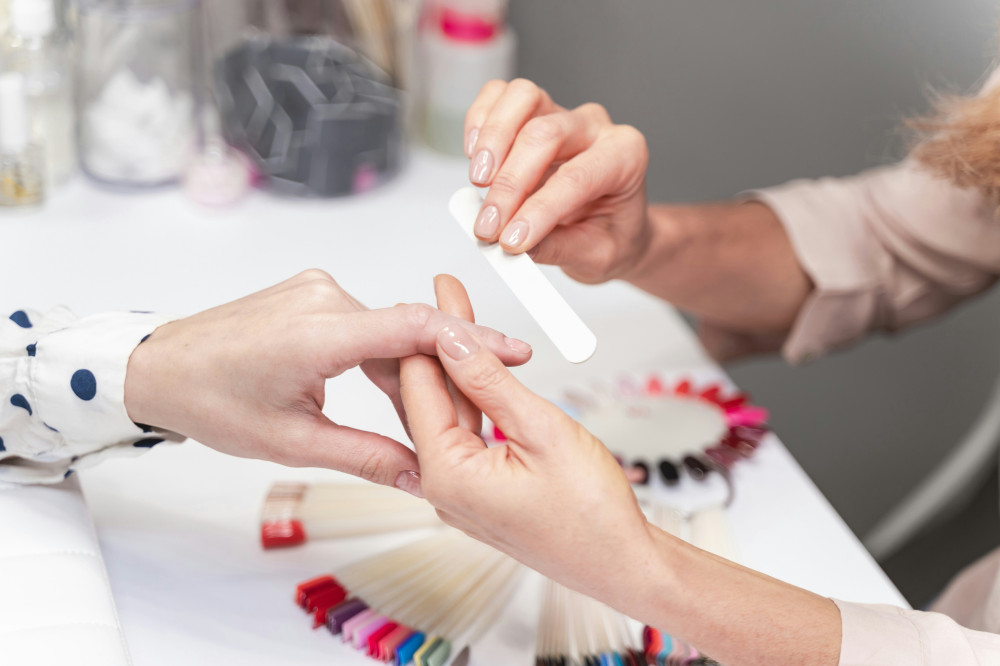
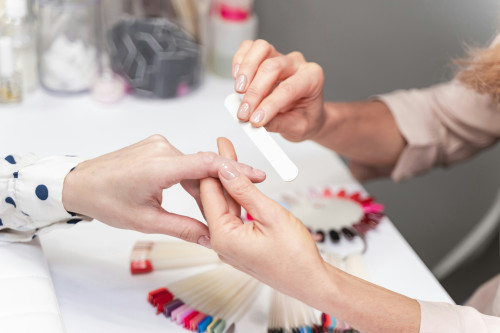
- Keep your nails at a moderate length and file them regularly to prevent breakage.
- Use mild, moisturizing hand soap and avoid very hot water.
- Stay hydrated—moisture from the inside is just as important as from the outside.
When Your Hands Need Extra Care
During winter or if you have very dry skin, your hands may need additional attention. Try a weekly hand treatment: soak your hands in warm water with a few drops of oil, gently exfoliate with a mild scrub, and finish with a nourishing mask or rich cream. It’s a simple ritual that leaves your hands soft and refreshed.
If you experience persistent dryness, cracks, or eczema, it may be time to consult a dermatologist. Sometimes the skin needs more than basic care.
Beautiful Hands Start with Protection
Protecting your hands and nails isn’t just about appearance—it’s about health. Your hands are essential tools in everyday life, and they deserve proper care. With gloves, moisture, and good habits, you can prevent many common problems and keep your skin soft, your nails strong, and your hands looking their best—no matter how busy you are.
Læs også: