Lighter Steps: How Foot Therapy Promotes Whole-Body Wellness


Lighter Steps: How Foot Therapy Promotes Whole-Body Wellness
Our feet carry us through every step of life—literally. Yet they’re often the part of the body we pay the least attention to. Only when pain, calluses, or tension appear do we realize how much our feet affect our overall well-being. Foot therapy isn’t just about keeping your feet looking good; it’s about supporting health, balance, and comfort throughout the entire body. Here’s how professional foot care can make a noticeable difference—from your toes all the way up to your neck.
The Feet as the Body’s Foundation
Each foot contains 26 bones, 33 joints, and more than 100 muscles, tendons, and ligaments. They work constantly to keep us upright, absorb shock, and propel us forward. When something in the foot’s structure isn’t functioning properly—whether due to poor alignment, tight shoes, or hardened skin—it can throw off the body’s balance.
Even a small imbalance in the feet can lead to discomfort in the knees, hips, or lower back as the body compensates to stay stable. That’s why many foot therapists and podiatrists view the feet not as isolated parts, but as the foundation of the entire musculoskeletal system.
What Happens During a Foot Therapy Session?
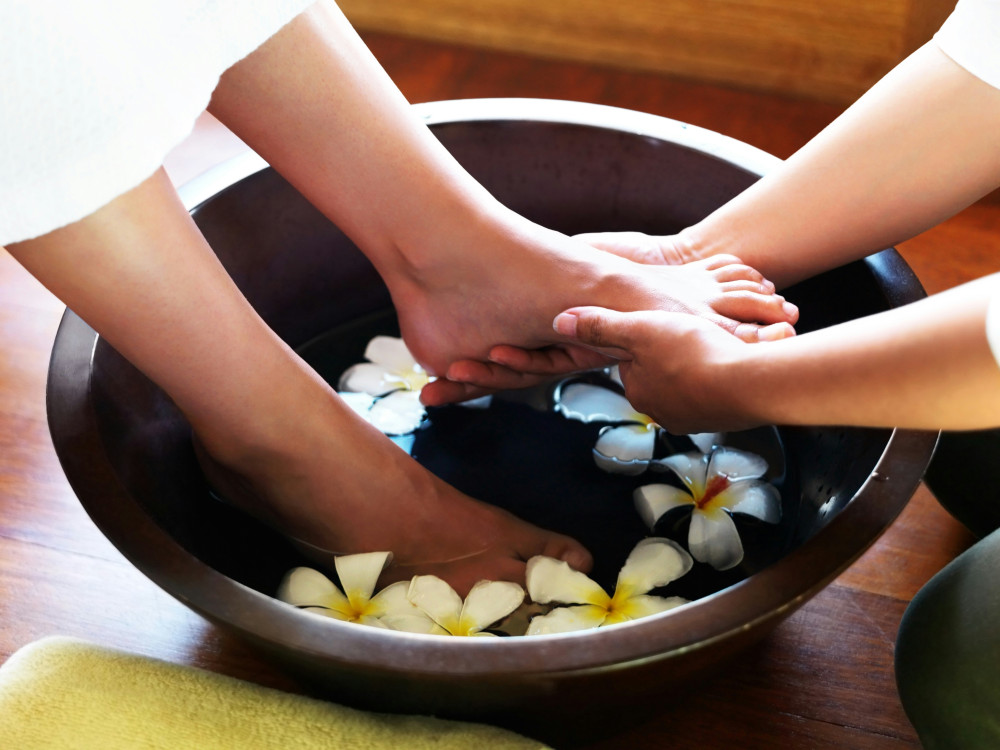
A typical foot therapy session begins with a thorough assessment of the feet. The therapist examines the skin, nails, circulation, and alignment. Then, calluses, corns, and thickened nails are gently removed, and the feet are treated with moisturizing products to restore softness and flexibility.
Many people feel immediate relief after a session—not only because their feet feel lighter, but because tension in the lower legs and feet is reduced. Some therapists also include massage or reflexology techniques to stimulate circulation and promote deep relaxation.
Foot Therapy as Prevention
Foot therapy isn’t only about fixing problems—it’s also about preventing them. Regular care can stop minor issues from developing into painful conditions. This is especially important for people with diabetes, arthritis, or poor circulation, where even small wounds can become serious if left untreated.
Routine checkups can help identify early signs of trouble, such as pressure points that may lead to corns or nails that are starting to grow inward. A foot therapist can also offer advice on footwear, orthotic inserts, and daily care routines to keep your feet healthy and supported.
The Connection Between Feet and the Rest of the Body
Many forms of foot therapy are based on the idea that the feet reflect the body’s overall condition. Reflexology, for example, works with specific points on the feet believed to correspond to organs and muscles elsewhere in the body. While scientific evidence is mixed, many clients report feeling calmer, sleeping better, and experiencing less stress after treatment.
Regardless of the method, there’s no doubt that touch, warmth, and focused attention on the feet can have a positive effect on both body and mind. It’s a simple yet powerful form of self-care that’s easy to overlook in a busy lifestyle.
Everyday Foot Care Tips
You don’t have to wait for your next appointment to give your feet some extra care. Small daily habits can make a big difference:
- Wash and dry your feet thoroughly—especially between the toes, where moisture can cause fungal infections.
- Moisturize daily to keep the skin soft and prevent cracking.
- Trim nails straight across to avoid ingrown toenails.
- Choose supportive shoes with enough room for your toes, especially if you walk or stand for long periods.
- Go barefoot at home when possible to strengthen foot muscles naturally.
These simple routines can complement professional foot therapy and help maintain healthy, pain-free feet.
Læs også:



Lighter Steps—and a Lighter Mind
When your feet feel good, you move more freely and with greater confidence. Many people find that regular foot therapy not only improves comfort but also boosts mood and energy levels. Ultimately, it’s about taking time to reconnect with your body—from the ground up.
Investing in foot therapy isn’t a luxury; it’s a way to support your overall health and balance. Because when your foundation is strong, every step feels lighter.
Læs også: