Healthy Hair from Within: Foods and Hydration That Promote Strength and Shine

Healthy Hair from Within: Foods and Hydration That Promote Strength and Shine
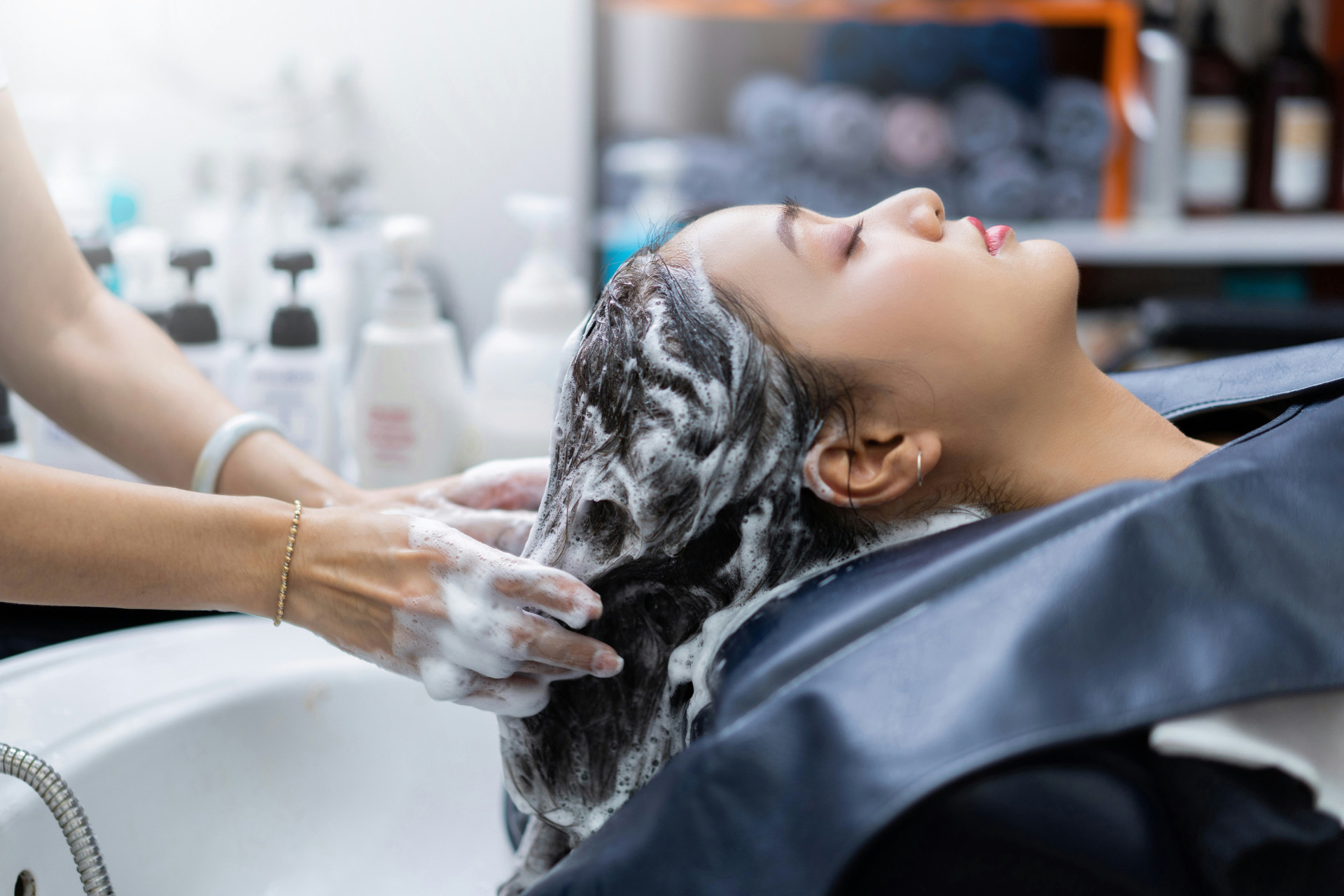
Healthy, shiny hair doesn’t start in the salon—it starts in your body. The condition of your hair reflects what you eat, drink, and how you care for yourself. Just like your skin, your hair mirrors your overall health. A nutrient-rich diet and proper hydration can make the difference between dull, brittle strands and strong, radiant locks. Here’s how to nourish your hair from the inside out.
Hair as a Reflection of Your Health
Hair is primarily made of keratin, a protein that your body produces using nutrients from your diet. When you’re low on essential vitamins, minerals, or fluids, your hair can become dry, weak, and slow to grow. A balanced diet supports not only your body’s energy and immune system but also the vitality of your hair.
Protein – The Building Block of Strong Hair
Because hair is mostly protein, getting enough of it is key. Excellent sources include eggs, fish, chicken, beans, lentils, and nuts. If your diet lacks protein, your hair may lose elasticity and break more easily. Consistent protein intake helps your hair grow stronger and more resilient.
Vitamins and Minerals That Make a Difference
Several nutrients play a vital role in maintaining healthy hair:
- Iron delivers oxygen to hair follicles. Low iron levels can lead to thinning or hair loss. Good sources include lean red meat, spinach, and legumes.
- Zinc supports cell growth and tissue repair. You’ll find it in nuts, seeds, and whole grains.
- Biotin (Vitamin B7) is known for strengthening hair and nails. Eggs, oats, and almonds are great sources.
- Vitamin A helps produce sebum, the natural oil that keeps your scalp moisturized. Too much, however, can have the opposite effect, so balance is key.
- Vitamin C boosts iron absorption and protects hair from oxidative stress. Enjoy citrus fruits, berries, and colorful vegetables.
- Omega-3 fatty acids from salmon, chia seeds, and walnuts help keep your scalp healthy and your hair supple.
A colorful plate is often a good sign that you’re getting a variety of nutrients your hair needs.
Water – The Overlooked Essential
While your hair doesn’t absorb water directly, your hydration level affects its health. When you’re dehydrated, your scalp and hair can become dry and brittle. Aim to drink enough water throughout the day—about 8 cups (2 liters) for most adults, depending on activity level and climate. Foods with high water content, such as cucumbers, oranges, and watermelon, also help keep you hydrated.
Avoid Habits That Harm Your Hair
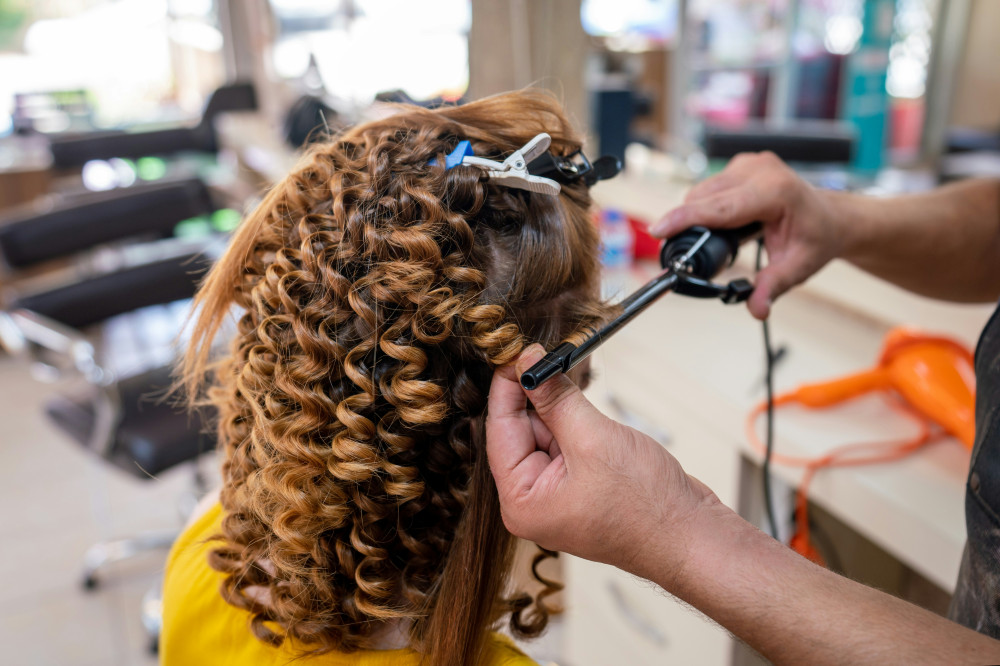
Even the best diet can’t fully counteract damaging habits. Excessive heat styling, chemical treatments, and tight hairstyles can weaken hair over time. Stress and lack of sleep can also disrupt hormone balance, affecting hair growth. A healthy lifestyle that includes rest, exercise, and relaxation supports both your body and your hair.
Supplements – When They Might Help
For most people, a balanced diet provides all the nutrients needed for healthy hair. However, during times of stress, hormonal changes, or noticeable hair thinning, supplements can be beneficial. Look for products containing biotin, zinc, and B vitamins, and consult your healthcare provider before starting any new supplement. Remember, supplements should complement—not replace—a nutritious diet.
Læs også:
Shine Starts with Everyday Choices
Healthy hair isn’t about quick fixes; it’s about consistent habits. When you eat a variety of whole foods, stay hydrated, and take care of your overall well-being, your hair gets the nourishment it needs to grow strong and glossy. It’s an investment that pays off—not just in your hair, but in your confidence and overall health.
Læs også: