Good Eye Habits for Everyday Life – How to Keep Your Eyes Moist and Comfortable

Good Eye Habits for Everyday Life – How to Keep Your Eyes Moist and Comfortable
Dry, tired, or irritated eyes are a common issue in today’s world, where many of us spend long hours in front of screens and in air-conditioned spaces. The eyes are among the body’s most sensitive organs, and even small changes in environment or daily habits can affect their comfort. Fortunately, a few simple adjustments can help you maintain moisture and prevent discomfort. Here’s a guide to good eye habits for everyday life.
Understand Why Eyes Get Dry
Dry eyes occur when the tear film—the thin layer that protects and lubricates the eye’s surface—doesn’t function properly. This can happen if your eyes don’t produce enough tears or if the tears evaporate too quickly. Common causes include:
- Extended screen time, which reduces how often you blink.
- Dry indoor air from heating, air conditioning, or airplane cabins.
- Contact lenses, which can affect tear stability.
- Aging and hormonal changes, especially in women after menopause.
- Certain medications, such as antihistamines or antidepressants, that can reduce tear production.
Understanding the cause is the first step toward finding the right solution.
Læs også:



Give Your Eyes a Break from Screens
When you’re focused on a computer, phone, or tablet, you blink up to 60% less than usual. This makes your tear film evaporate faster, leading to dryness. A simple rule can help: the 20-20-20 rule. Every 20 minutes, look at something at least 20 feet away for 20 seconds. This relaxes your eyes and encourages blinking.
You can also adjust your screen’s brightness to match the lighting in the room and keep the screen about 20–28 inches from your eyes. Position the top of the screen at or slightly below eye level to reduce strain.
Create a Comfortable Indoor Environment
Indoor air quality plays a big role in eye comfort. Dry air makes tears evaporate faster, and dust or smoke can irritate the eyes. To improve your environment:
- Use a humidifier during dry seasons or in air-conditioned rooms.
- Avoid cigarette smoke and strong fragrances.
- Keep vents and fans from blowing directly toward your face.
- Add a few houseplants—they can naturally increase humidity.
If you spend a lot of time in dry environments, using preservative-free artificial tears can help keep your eyes moist.
Remember to Blink – and Blink Fully
It sounds simple, but many people don’t blink completely when concentrating. A full blink spreads the tear film evenly across the eye’s surface and removes small debris. Try to consciously blink a few times when your eyes start to feel dry or tired—it can quickly restore comfort.
Eat for Eye Health
Nutrition also supports healthy eyes. Omega-3 fatty acids, found in salmon, tuna, flaxseeds, and walnuts, can help your tear glands function better and reduce dryness. Vitamin A and vitamin C are important for maintaining healthy eye tissues and mucous membranes. A balanced diet rich in colorful fruits, vegetables, and healthy fats is a great foundation for comfortable, well-hydrated eyes.
Be Careful with Makeup and Contact Lenses
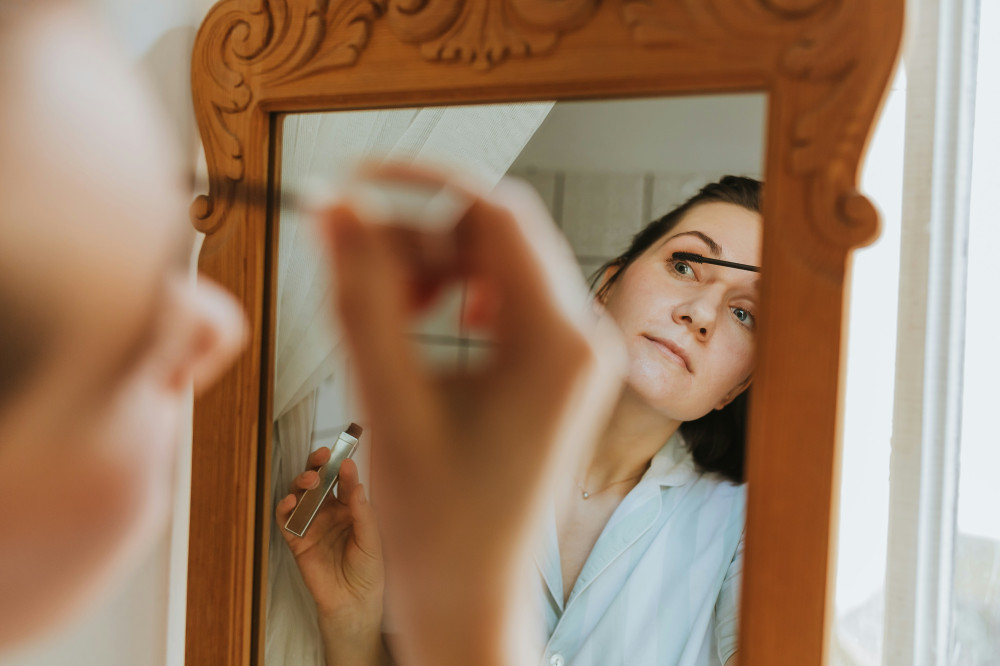
If you wear eye makeup, choose hypoallergenic and fragrance-free products. Always remove makeup thoroughly before bed to prevent clogged oil glands along the eyelids. For contact lens users, clean and replace lenses as recommended, and consider giving your eyes a break with glasses a few days a week.
Moisture and Rest – Even at Night
Sleep is essential for eye recovery. During rest, your eyes rebuild their tear film and restore balance. If you sleep in a dry room, consider using a humidifier or a soft sleep mask to protect against dryness. Staying well-hydrated throughout the day also helps—your body’s overall fluid balance affects your eyes, too.
When to Seek Professional Help
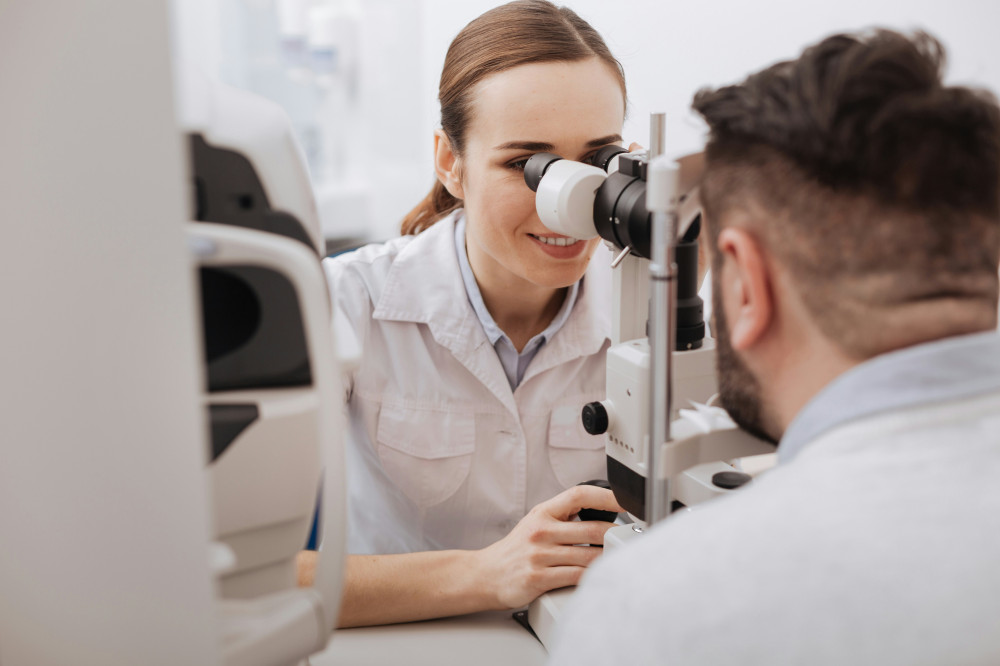
If you frequently experience burning, redness, blurred vision, or a gritty sensation in your eyes, it’s a good idea to consult an optometrist or ophthalmologist. Persistent dryness can sometimes signal an underlying condition that needs treatment. A professional can help identify the cause and recommend the right eye drops or other solutions.
Small Habits, Big Difference
Healthy eye habits aren’t about major lifestyle changes—they’re about small, consistent adjustments. Regular breaks, a comfortable indoor environment, good nutrition, and proper rest can make a noticeable difference. Your eyes work hard for you every day—so give them the care they deserve.
Læs også: