From Idea to Design: How Clothing Is Created

From Idea to Design: How Clothing Is Created
When we pull a new piece of clothing off the rack, few of us stop to think about the long journey it took to get there. Behind every seam, color, and silhouette lies a process that blends creativity, craftsmanship, and collaboration. From the first spark of inspiration to the finished garment hanging in a store, fashion design is a story of imagination turned into reality. Here’s a look at how clothing is created—from idea to design.
Inspiration – Where the Idea Begins
Every garment starts with an idea. For designers, inspiration can come from anywhere: the colors of a desert sunset, the rhythm of city life, vintage Americana, or the latest streetwear trends. Some begin with a theme—like “coastal summer” or “modern utility”—while others start with a fabric, a texture, or even a social movement.
Designers often collect images, fabric swatches, and color samples on a mood board, which serves as a visual guide for the collection. From there, the first sketches take shape—either drawn by hand or created digitally—turning abstract ideas into tangible designs.
Læs også:
From Sketch to Prototype
Once the design concept is ready, it’s time to bring it to life. This is where pattern makers step in. They translate the designer’s vision into precise templates that determine how each piece of fabric will be cut and sewn. Accuracy is key—just a few millimeters can change how a garment fits and moves.
Next comes the prototype, often called a sample or muslin. It’s usually made from inexpensive fabric to test the shape and fit. The designer and pattern maker review the sample on a model or dress form, making adjustments until the garment fits perfectly. Only then is the final fabric chosen.
Choosing Materials and Sustainable Options
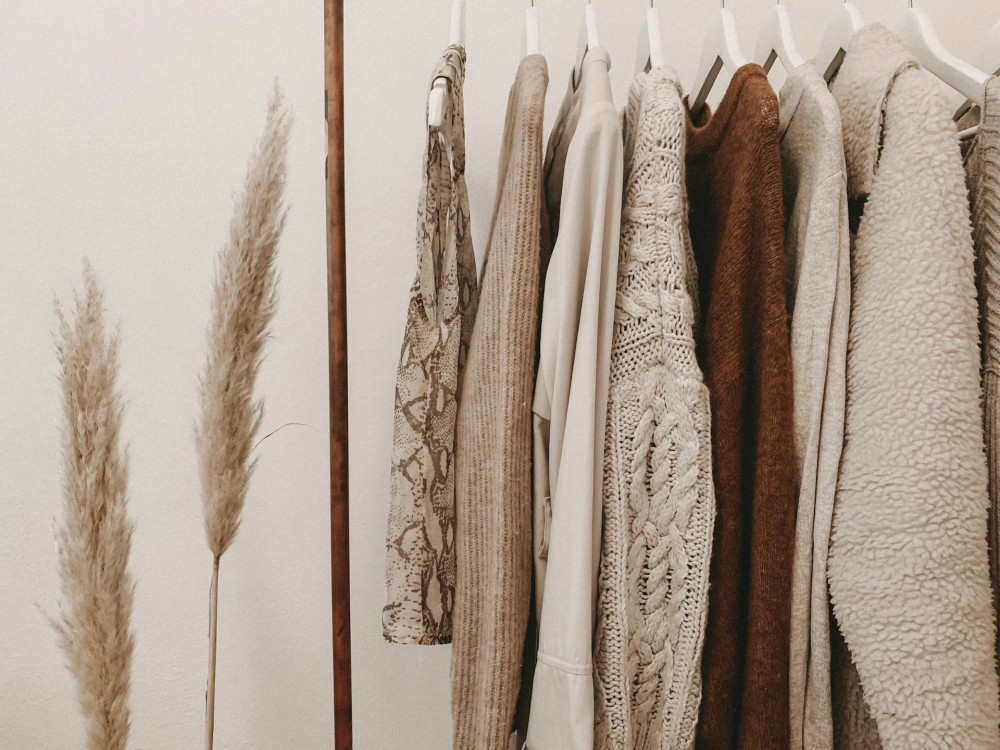
Fabric choice defines both the look and the feel of a garment. Should a dress flow softly or hold its structure? Should a jacket be lightweight or durable? Designers work closely with textile suppliers to find the right materials—cotton, wool, silk, denim, or innovative fabrics like Tencel, recycled polyester, or organic hemp.
Sustainability has become a major focus in American fashion. Many brands now prioritize eco-friendly materials, ethical sourcing, and reduced waste. Some even produce locally to cut down on shipping emissions. Today, design is not just about style—it’s also about responsibility.
Production and Quality Control
Once the design and materials are approved, production begins. Depending on the brand, this might happen in a local workshop or in specialized factories abroad. The fabric is cut, sewn, and assembled, with details like buttons, zippers, and labels added at the end.
Before garments reach stores, they go through strict quality checks. Seams, colors, and fits are inspected to ensure everything meets the brand’s standards. This step ensures that what customers see on the rack matches the designer’s original vision.
From Runway to Closet
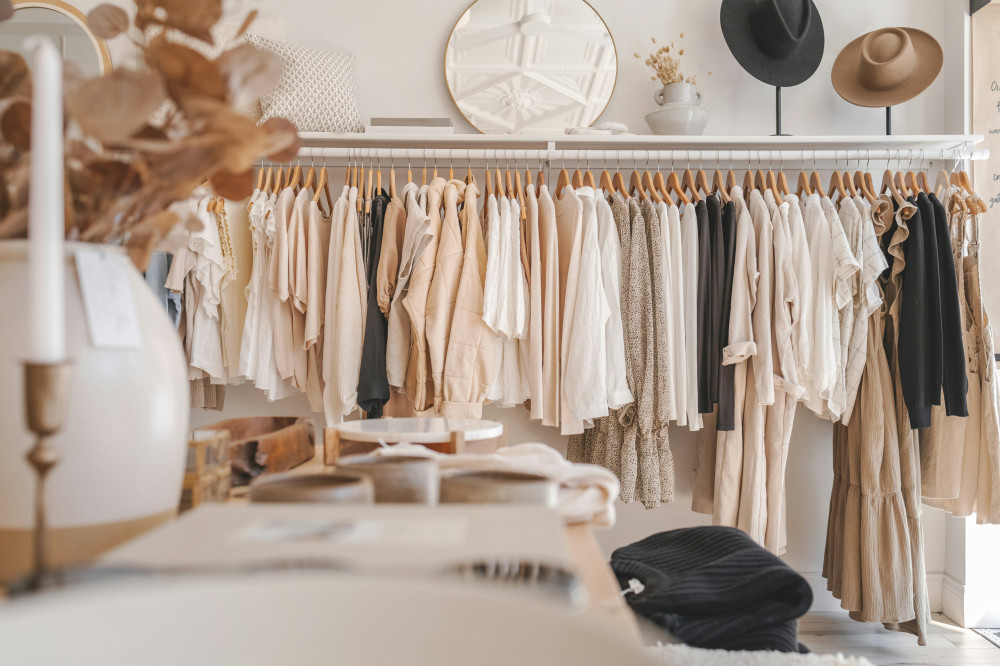
When a collection is complete, it’s presented to buyers, the press, and the public—through fashion shows, lookbooks, or online campaigns. The selected pieces are then produced in larger quantities and distributed to stores and e-commerce platforms across the country.
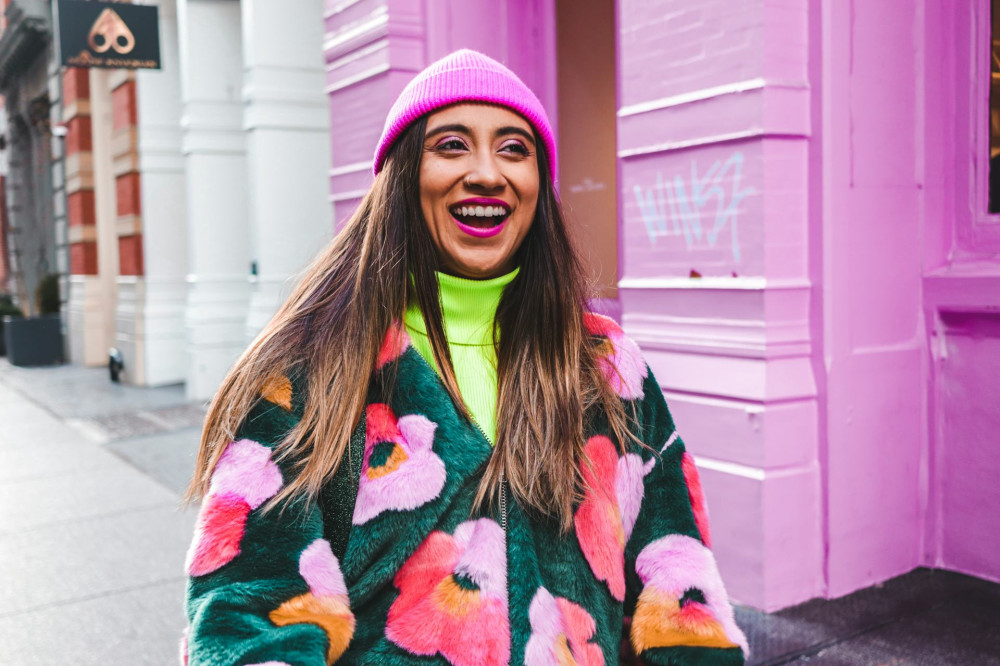
For designers, seeing their creations worn by real people is the most rewarding moment. It’s the point where an idea that began as a sketch becomes part of someone’s everyday life.
Clothing as a Story
Clothing is more than fabric and thread—it’s a form of storytelling. Each design reflects a mood, a message, or a moment in time. When we choose what to wear, we participate in that story, expressing who we are and what we value.
Creating clothing is both an art and a craft. It requires creativity, technical skill, and an understanding of how people live and express themselves. That’s why fashion isn’t just something we wear—it’s something we help create.
Læs også: