Dry skin around the eyes? How to adjust your eye-area skincare routine


Dry skin around the eyes? How to adjust your eye-area skincare routine
The skin around your eyes is some of the thinnest and most delicate on your body. It has fewer oil glands than the rest of your face, which makes it more prone to dryness, irritation, and fine lines. Many people notice tightness, flakiness, or sensitivity in this area—especially during the winter months or after using makeup and cleansing products. The good news? A few small changes to your skincare routine can make a big difference. Here’s how to care for dry skin around your eyes.
Understand what causes dryness
Dryness around the eyes can be triggered by both external and internal factors. Cold weather, low humidity, air conditioning, and long hours in front of screens can all dehydrate the skin. Certain skincare or makeup products that contain alcohol, fragrance, or harsh preservatives can also make things worse.
Aging plays a role, too. As we get older, the skin’s natural barrier weakens, and the production of sebum and moisture-retaining substances decreases. This leads to a loss of elasticity and makes the skin more vulnerable to dryness and irritation.
Frequent rubbing of the eyes, using waterproof makeup, or cleansing with strong products can further stress the area.
Choose a gentle cleanser
A good routine starts with a gentle cleanse. Avoid products that contain alcohol, sulfates, or strong fragrances, as they can strip away the skin’s natural oils. Instead, opt for a mild micellar water or an oil-based cleanser that dissolves makeup without drying out the skin.
When removing makeup, use a soft cotton pad and gently press and lift rather than rubbing. The eye area doesn’t tolerate rough handling—it can lead to redness and fine lines over time.
Add moisture and protection
After cleansing, it’s essential to replenish moisture. Look for an eye cream or gel with ingredients like hyaluronic acid, glycerin, or ceramides, which help lock in hydration and strengthen the skin barrier. If your skin feels irritated, soothing ingredients such as panthenol, niacinamide, or aloe vera can help calm it down.
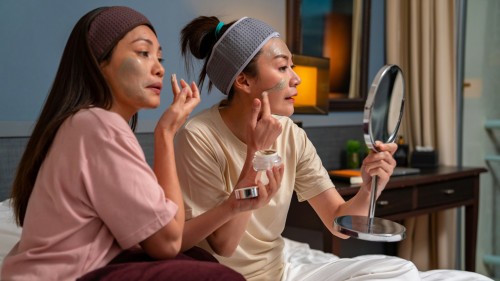
Apply eye cream with your ring finger—the lightest touch—and gently tap it into the skin. Avoid applying too close to the lash line, as the product can migrate into the eyes and cause stinging.
During the day, choose an eye cream with SPF. UV rays are one of the main causes of premature aging around the eyes, even on cloudy days.
Keep your environment skin-friendly
Indoor air quality has a big impact on your skin’s moisture levels. In winter, when heating systems are running, humidity can drop significantly. Consider using a humidifier in your bedroom or workspace—it can make a noticeable difference for both your skin and your eyes.
Also, stay hydrated throughout the day. Internal hydration is just as important as external care, and even mild dehydration can make your skin look dull and feel tight.
Be mindful of makeup and contact lenses
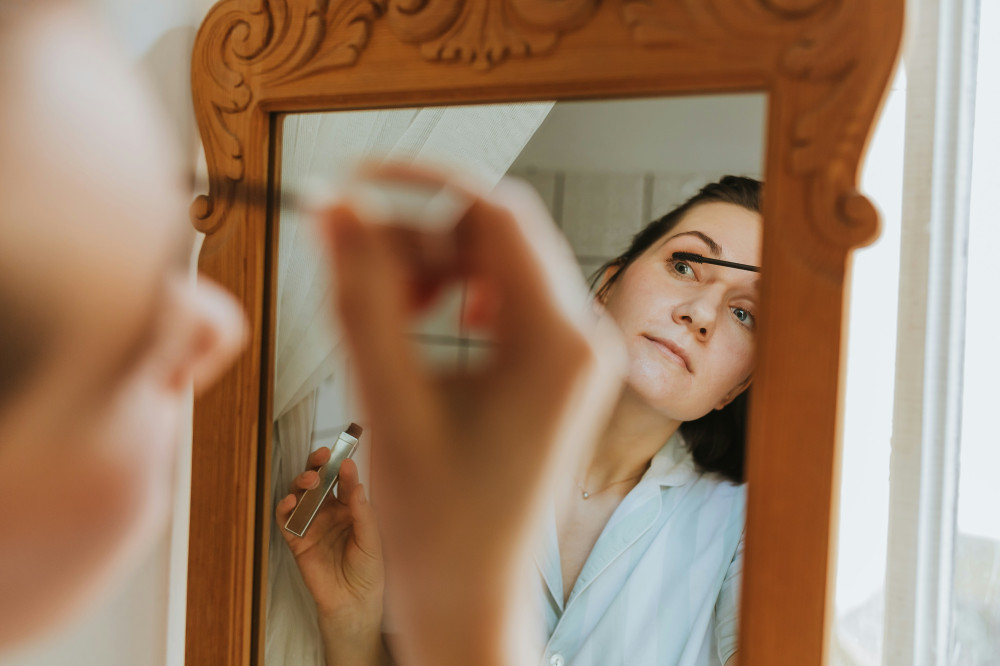
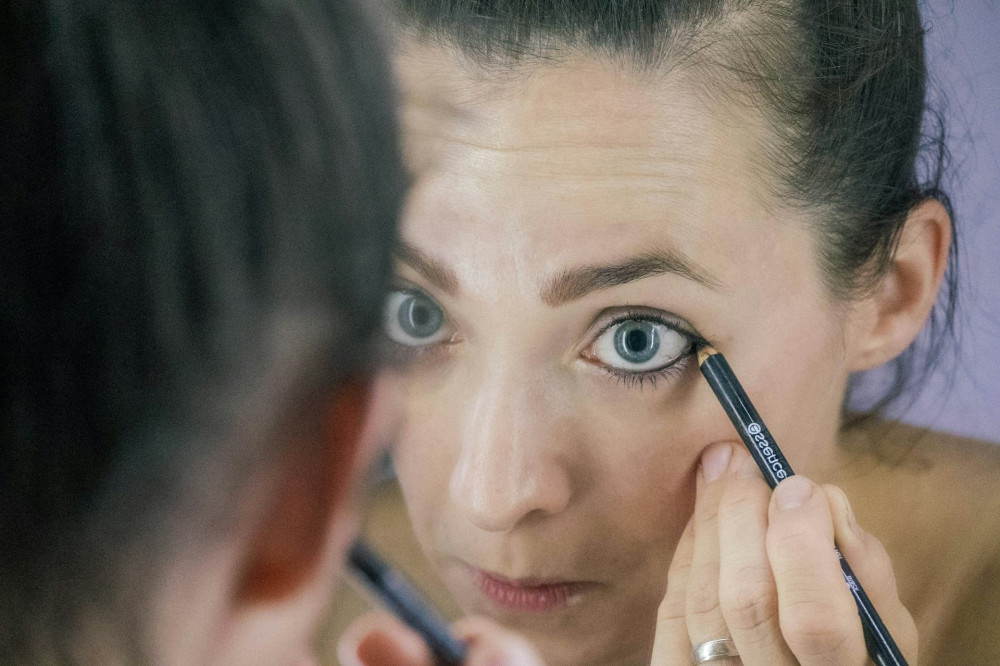
Makeup can enhance your look but also irritate sensitive skin. If you’re prone to dryness around the eyes, choose fragrance-free, hypoallergenic products designed for sensitive skin. Avoid waterproof mascara and eyeliner for everyday use—they often require stronger removers that can dry out the skin further.
If you wear contact lenses, they can sometimes contribute to dryness around the eyes. Maintain good hygiene and consider using lubricating eye drops if your eyes feel dry or irritated.
Læs også:



Give your skin time to recover at night
Nighttime is when your skin repairs itself. Apply a nourishing eye cream or a lightweight balm before bed to help the skin restore its moisture barrier. You can also use a cooling eye mask a few times a week to reduce puffiness and add an extra boost of hydration.
If possible, try sleeping on your back. This reduces pressure on the delicate skin around your eyes and helps prevent sleep lines that can become permanent over time.
When to seek professional help
If dryness around your eyes persists or you experience itching, redness, or swelling, it could be a sign of an allergy, eczema, or a reaction to a product. In that case, consult a dermatologist or pharmacist who can help identify the cause and recommend appropriate treatment.
Small changes, big results
Dry skin around the eyes is a common issue, but with the right care, you can restore comfort and radiance. The key is to be gentle, consistent, and choose products that support your skin’s natural balance. A few thoughtful adjustments to your routine can make a big difference—for both your appearance and your overall sense of well-being.
Læs også: